
Ghanaian Fashion Pioneer Awura Abena Agyeman Wins CANEX Creative Pitch 2026 in Lagos
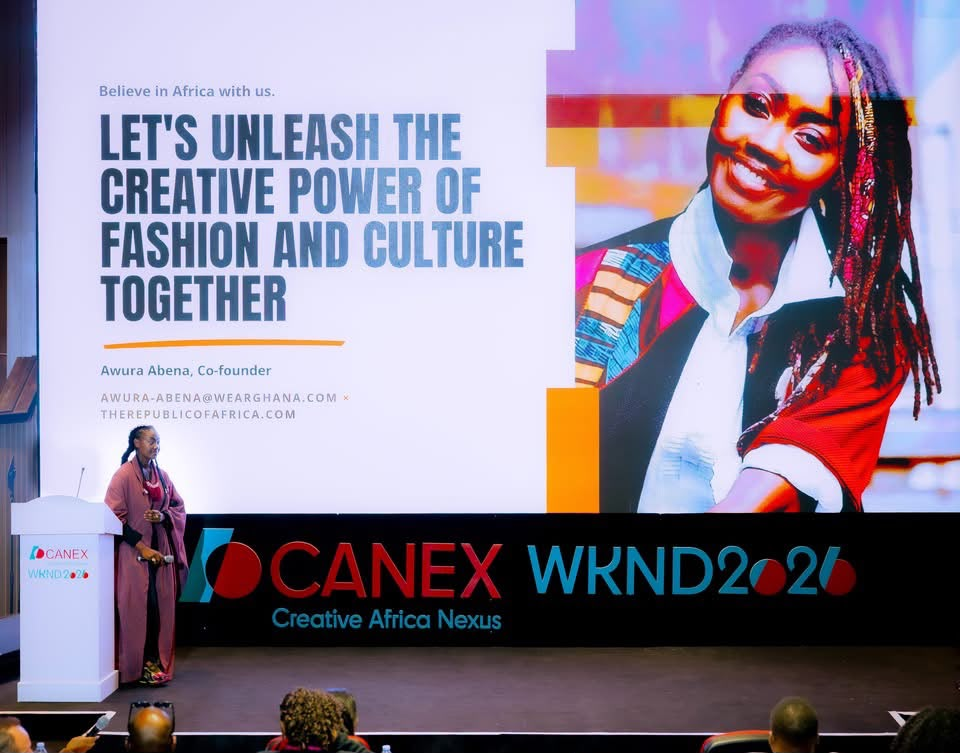

Ghanaian fashion entrepreneur Awura Abena Agyeman has claimed victory at the CANEX Creative Pitch 2026 competition held in Lagos, Nigeria, impressing judges and investors with the story of how her locally rooted clothing brand, WEAR Ghana, grew into a continental cultural movement known as the Republic of Africa. The win is a significant moment for Ghana's creative economy and signals growing international recognition for African-made fashion enterprises.
From a local idea to a pan-African vision
WEAR Ghana was founded in 2013 with a straightforward but powerful mission: to encourage Ghanaians to take pride in and purchase locally produced clothing. Over the following decade, Awura Abena Agyeman built the brand into something far more expansive, blending contemporary fashion with distinctly African cultural identity.
One of its most enduring products is the GIGI collection, which incorporates African wax-print detailing and was introduced in 2016. A full ten years later, the collection continues to sell across the world — a testament to both the quality of the design and the growing global appetite for African aesthetics.
In May 2025, Agyeman launched the Republic of Africa, a pan-African cultural initiative designed to connect people across the continent and diaspora through fashion, shared identity and creative enterprise. It was this broader vision — combining commercial success with cultural purpose — that she presented at the CANEX Creative Pitch competition, ultimately earning her the top prize.
What CANEX is and why it matters for Ghana
The Creative Africa Nexus Weekend, known as CANEX WKND, is organised by the African Export-Import Bank (Afreximbank) and serves as one of the continent's most important gatherings for the creative industries. It brings together entrepreneurs, artists, investors, policymakers and industry leaders to explore financing, collaboration and growth opportunities across Africa's vast cultural economy.
For Ghanaian creatives, platforms like CANEX represent rare direct access to serious investment and strategic partnerships at a continental scale. Ghana has long been recognised as a significant contributor to African creative culture — from music and film to fashion and design — but converting that cultural capital into sustainable, investable businesses remains a challenge for many entrepreneurs. Agyeman's win demonstrates that it is achievable.
In her presentation, she also emphasised the importance of local employment, skills development and domestic production — themes that resonate strongly in a Ghanaian context where youth unemployment and the drive to industrialise remain pressing national priorities.
Why it matters for Ghana's creative economy
Ghana's creative sector has been receiving increased attention from both government and private investors in recent years, with fashion, music and film frequently cited as high-growth areas with strong export potential. Agyeman's recognition at CANEX adds to a growing body of evidence that Ghanaian creative businesses can compete and win at the highest continental levels.
The victory also arrives at a time when conversations about African cultural sovereignty and economic self-determination are intensifying. The Republic of Africa's model — using fashion as a vehicle to build cross-border African identity and community — speaks directly to those ambitions.
- Local production matters: WEAR Ghana has consistently championed locally made clothing since its founding, supporting Ghanaian artisans and textile workers.
- Continental ambition: The Republic of Africa model offers a blueprint for how Ghanaian brands can scale beyond national borders without losing their cultural roots.
- Investor visibility: Winning at CANEX places WEAR Ghana and Republic of Africa in front of some of Africa's most influential financiers and creative industry stakeholders.
For Awura Abena Agyeman, the CANEX victory is not an endpoint but a new platform. What began as an appeal to Ghanaians to wear their own country's clothing has evolved into an enterprise with the ambition — and now the recognition — to shape how Africa presents itself to the world.
Source: MyJoyOnline




Comments (0)
Be the first to comment.