
Ghana's Public Tribunal Bill 2026 faces criticism over hasty passage and structural flaws

A prominent legal figure has raised serious concerns about Ghana's handling of the Public Tribunal Bill 2026, arguing that Parliament moved too quickly through the legislative process without adequately addressing fundamental structural issues that could undermine the justice system.
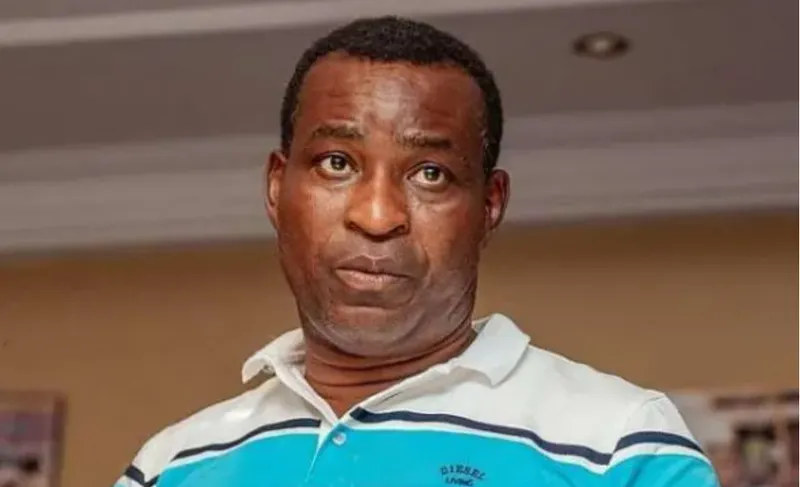
Mr Brako-Powers, speaking on the implications of the new legislation, highlighted a critical flaw: overlapping jurisdictional boundaries between the proposed public tribunals and existing judicial structures. This architectural weakness, he warns, creates an environment ripe for abuse.
The Forum Shopping Problem
At the heart of Brako-Powers' concern is the risk of "forum shopping"—a legal practice where parties deliberately select which court or tribunal hears their case, strategically choosing venues they believe will rule in their favour. When multiple judicial bodies have overlapping authority over the same categories of disputes, litigants gain the ability to shop around, potentially selecting tribunals perceived as more sympathetic to their position rather than allowing cases to proceed through established legal hierarchy.
This practice destabilises the rule of law by allowing case outcomes to depend partly on venue selection rather than purely on legal merit. It also creates inefficiency, as the same disputes could be heard multiple times across different bodies, wasting court time and taxpayer resources.
Why it matters for Ghana
Ghana's judicial system already faces considerable backlogs and resource constraints. The introduction of new tribunal structures without clear jurisdictional boundaries risks compounding these challenges. For ordinary Ghanaians seeking justice, forum shopping can mean longer delays, higher legal costs, and unpredictable outcomes depending on which tribunal a case lands in.
The criticism also reflects broader concerns about legislative process in Ghana. If Parliament rushes through major institutional reforms without thorough debate and stakeholder consultation—particularly with the judiciary and legal professionals—the resulting laws may create more problems than they solve. Brako-Powers' intervention suggests that civil society and legal experts flagged these issues during the drafting phase, but their concerns may not have received sufficient weight.
For the courts and tribunals themselves, overlapping jurisdiction creates operational headaches: cases may be filed in multiple venues simultaneously, rulings could conflict, and there's no clear mechanism to consolidate related disputes. This fragmentation weakens judicial coherence and public confidence in the system.
What comes next
The passage of the bill does not mark the end of this issue. Implementation will be critical. The judiciary and the Attorney General's office will need to issue clear practice directions defining which tribunal handles which categories of cases. Without such clarification, litigants will inevitably test the boundaries, leading to jurisdictional disputes that clog higher courts.
Brako-Powers' warning serves as a reminder that legislative speed, whilst sometimes necessary, must be balanced against the need for careful institutional design—especially in matters as fundamental as access to justice. Ghana's next government and Parliament would be wise to revisit the structural elements of the Public Tribunal Bill 2026 to prevent the kind of legal chaos forum shopping can create.
Source: 3News


Comments (0)
Be the first to comment.