
Ghana's Creative Arts Sector Gets Fresh Push as Deputy Minister Meets Culture Forum
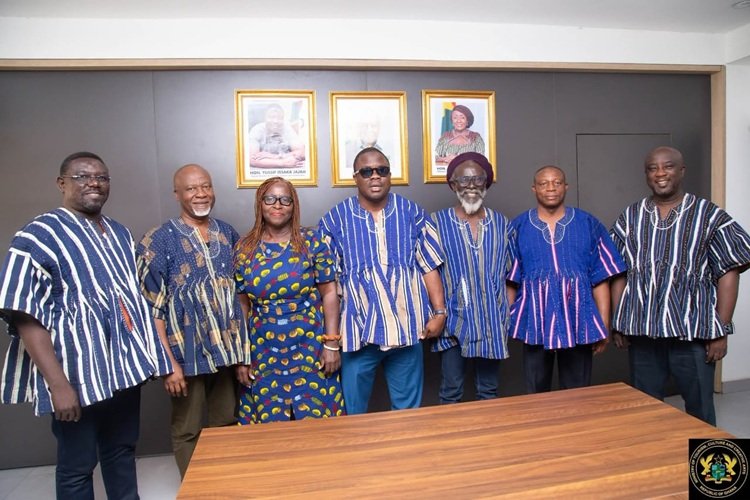

Ghana's creative arts and cultural sector is set for renewed momentum after Deputy Minister for Tourism, Culture and Creative Arts, Yussif Issaka Jajah, sat down with representatives of the Ghana Culture Forum (GCF) to chart a path for deeper collaboration and industry growth. The engagement signals a fresh government commitment to treating culture not merely as heritage, but as a viable economic driver.
What was discussed
The meeting, led on the Forum's side by Vice Chairman Ahuma Bosco Ocansey, covered a broad agenda that reflected the ambitions of both the Ministry and the GCF. Key items on the table included a review of ongoing programmes, unresolved commitments to past participants and sponsors, and early planning for the Forum's milestone 15th Anniversary celebrations as well as Ghana Culture Week 2027.
A particularly significant item was the discussion of opportunities arising from the EU Sankofa I Programme — a European Union-backed initiative designed to support the cultural and creative industries across African, Caribbean and Pacific countries. Ghana's creative sector stands to benefit considerably from the funding and technical support such partnerships can unlock, and both parties appeared keen to position the country well ahead of any application or implementation windows.
Deputy Minister Jajah used the platform to reaffirm the government's dedication to honouring commitments made to stakeholders within the creative space. He emphasised that fulfilling promises to those who participate in and sponsor cultural initiatives is fundamental to building the trust needed for the sector to thrive long-term.
Why it matters for Ghana
Ghana's creative and cultural industries — spanning music, film, visual arts, fashion, festivals and heritage tourism — have long been recognised as having enormous untapped economic potential. Despite producing globally acclaimed talents and attracting significant diaspora and tourist interest, the sector has historically struggled with inconsistent government support, underfunding and weak institutional frameworks.
Engagements like this one are therefore important not just symbolically, but practically. The Ghana Culture Forum plays a convening role in the broader cultural ecosystem, bringing together practitioners, institutions and policymakers. When the Ministry actively engages such bodies rather than operating in isolation, it improves the chances that policies will be better informed, more inclusive and more effectively implemented.
The EU Sankofa Programme angle is worth watching closely. If Ghana can position itself to access international development funding targeted at creative industries, it could translate into training opportunities, infrastructure support, market access and visibility for Ghanaian artists and cultural entrepreneurs — both at home and abroad.
- Ghana Culture Week 2027 is already in early planning, suggesting a longer-term vision for cultural programming.
- The EU Sankofa I Programme represents a potential international funding stream for Ghana's creative sector.
- Fulfilling past commitments to sponsors and participants was flagged as a priority, hinting at earlier gaps that need addressing.
What comes next
The immediate expectation following the engagement is that the Ministry and the GCF will formalise areas of collaboration, particularly around the anniversary celebrations and the EU Sankofa programme. For stakeholders in Ghana's creative arts community, the key will be whether these discussions translate into concrete, funded action — or remain aspirational talking points.
Ghana has built a strong brand around its culture, from Year of Return to Beyond the Return, and there is both domestic and international appetite for what the country has to offer creatively. The question, as always, is whether institutional follow-through will match the ambition on display in meetings like this one.
Source: The Ghanaian Times


Comments (0)
Be the first to comment.