Ghana bids farewell to James Victor Gbeho, diplomatic titan who shaped nation's global standing
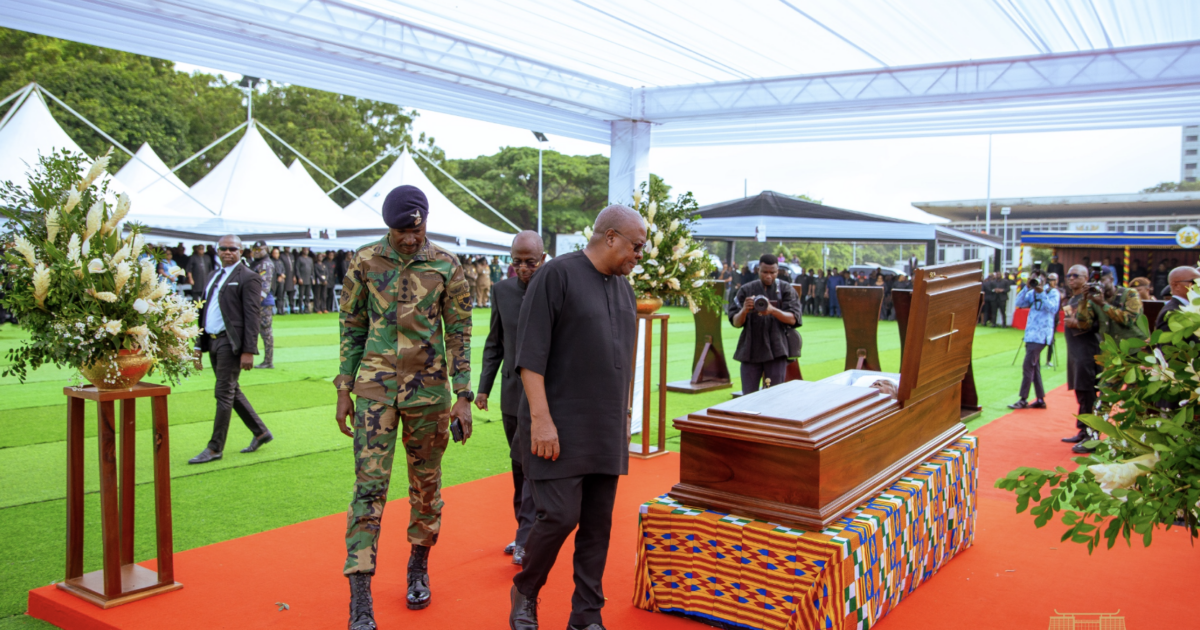
Ghana paid its final respects on Friday to James Victor Gbeho, a towering figure in the nation's diplomatic and political landscape, at a state funeral held at the forecourt of the State House in Accra. The late statesman, who died on 13 June 2026 at the age of 91, was remembered as a rare exemplar of selfless public service whose career spanned more than fifty years of distinguished representation of Ghana on the world stage.
President John Dramani Mahama, alongside Vice President Professor Jane Naana Opoku-Agyemang, led the nation in honouring Gbeho's legacy. The ceremony drew an impressive gathering of dignitaries, including former Namibian President Nangolo Mbumba, Members of Parliament, government ministers, diplomats, and representatives from the Economic Community of West African States (ECOWAS) and the United Nations—a testament to the respect Gbeho commanded across continents.
A life devoted to Ghana's interests
In his tribute, read by Presidential Advisor Mrs Joyce Bawa Mogtari, President Mahama characterised Gbeho as belonging to a rare class of nation-builders whose greatness derived not from ambition but from unwavering commitment to service. The President highlighted that Gbeho inherited more than just a distinguished surname—his father, Philip Gbeho, composed Ghana's national anthem—but a profound sense of duty that he honoured throughout his life.
Gbeho's diplomatic career began in Ghana's Foreign Service and was marked by what the President described as uncommon professionalism, quiet confidence, and patriotism. His most celebrated posting came during his decade as Ghana's Ambassador and Permanent Representative to the United Nations in New York from 1980 to 1990, a tenure that remains among the longest and most distinguished in Ghana's diplomatic history. During a transformative period in global affairs, he elevated Ghana's voice with dignity and clarity, earning respect from colleagues across all regions.
As Minister for Foreign Affairs under President Jerry John Rawlings from 1997 to 2001, Gbeho further consolidated Ghana's standing as a principled member of the international community. President Mahama recalled observing Gbeho's work in Parliament during this period and noting firsthand the wisdom and fidelity to national interest that characterised every decision he made.
Regional leadership and lasting influence
Beyond Ghana's borders, Gbeho's influence shaped regional peace and stability. He served as the United Nations Secretary-General's Special Representative for Somalia, ECOWAS Special Representative for Liberia, and later as President of the ECOWAS Commission—roles reflecting his commitment to building peace and promoting regional integration across West Africa.
Even after stepping back from formal political office, Gbeho remained engaged in Ghana's national interest. He served as Foreign Policy Advisor to President John Evans Atta Mills, generously offering his vast reservoir of experience to successive governments. President Mahama emphasised that for Gbeho, service was not merely what he did—it was his identity.
Why this matters for Ghana
Gbeho's passing marks the end of an era in Ghana's foreign policy tradition. His career exemplified a model of diplomatic professionalism and patriotism that shaped how Ghana positioned itself during critical moments in international relations, from the Cold War through regional conflicts in West Africa. His leadership at the UN during turbulent times established precedents for how smaller nations could exercise principled influence in global affairs.
For Ghana's current and future diplomatic corps, Gbeho's legacy serves as a benchmark—demonstrating that national interest and international respect are not mutually exclusive, and that quiet, professional integrity can be more powerful than rhetoric. His contributions to ECOWAS institutions and regional peace-building also remain relevant to ongoing West African integration efforts.
President Mahama concluded the tribute by noting that while Gbeho's voice is now silent, the respect he earned for Ghana endures. Nations, he reflected, are remembered not for wealth or military might, but for the character of those who serve them—and in Gbeho, Ghana found a figure whose integrity and wisdom elevated the nation's character before the world.
Source: MyJoyOnline
Comments (0)
Be the first to comment.