
Ghana Air Force Receives Three New Aircraft as Mahama Pledges Wider Military Modernisation Drive


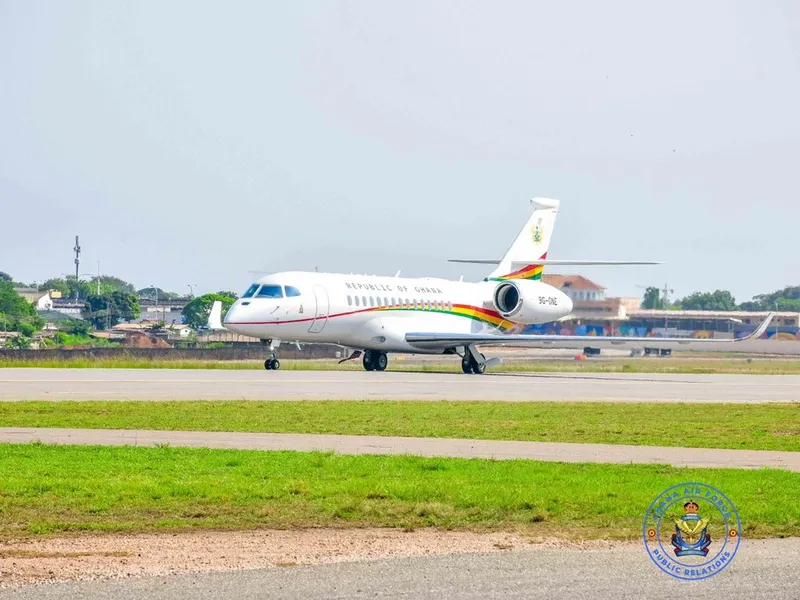
President John Dramani Mahama has formally presented three brand-new aircraft to the Ghana Air Force in a move that underscores his administration's commitment to bolstering the country's defence capabilities. The handover ceremony marks one of the more visible investments in Ghana's military infrastructure in recent years, and officials say it is only the beginning of a wider procurement agenda.
Details of the handover
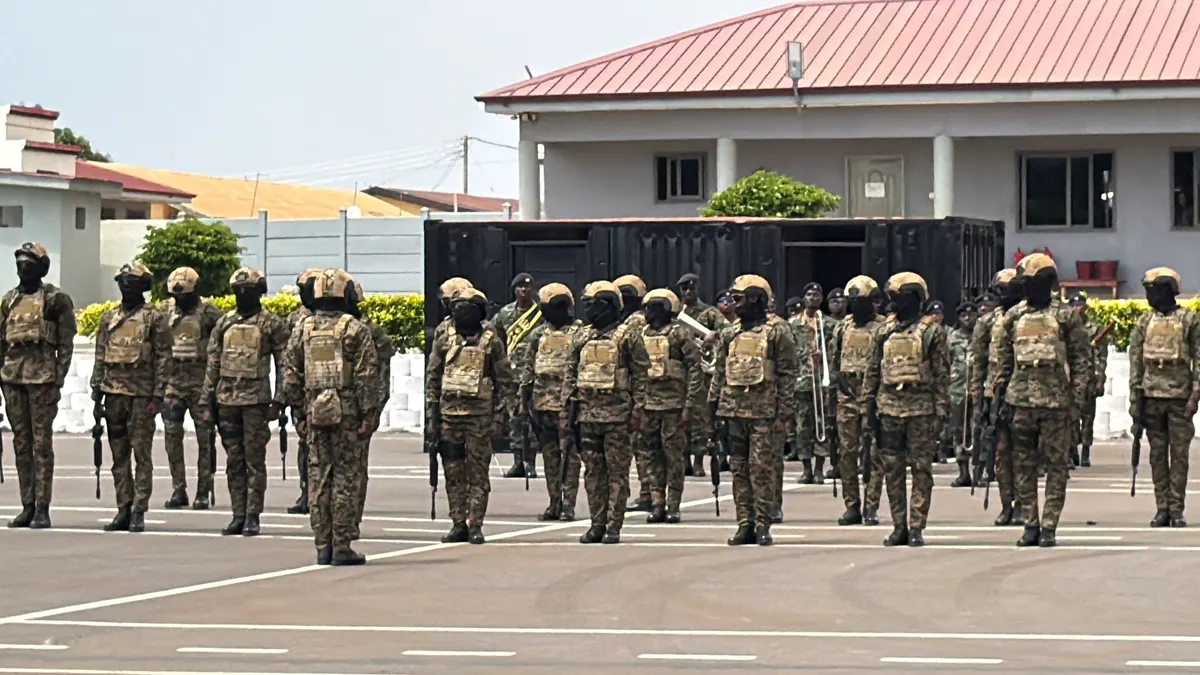
The three aircraft were handed over to Air Force commanders in a ceremony presided over by President Mahama. While full technical specifications of the aircraft were not immediately disclosed, the addition of new airframes represents a significant boost to the Air Force's fleet, which has historically struggled with ageing equipment and limited operational readiness. The President used the occasion to announce that further military equipment procurements are in the pipeline, signalling that the government intends to extend the modernisation effort beyond the Air Force to other branches of the Ghana Armed Forces.
Ghana's military has long been regarded as one of the more professional and respected forces on the African continent, with a proud tradition of contributing troops to United Nations and African Union peacekeeping missions. However, sustaining that reputation requires consistent investment in training, logistics and modern equipment — areas that have at times been underfunded due to competing national budget pressures.
Why it matters for Ghana
A stronger, better-equipped Air Force has direct implications for Ghana's national security on multiple fronts. The country shares borders with Burkina Faso, Togo and Côte d'Ivoire, and the broader West African sub-region has faced mounting security challenges in recent years, including the spread of jihadist insurgencies from the Sahel. An enhanced air surveillance and rapid-response capability helps Ghana protect its borders and project stability within the ECOWAS region.
Beyond territorial defence, modern aircraft expand the Air Force's ability to support disaster response operations, medical evacuations and maritime patrol missions over Ghana's Atlantic coastline and offshore oil installations. Ghana's growing offshore energy sector, including the Jubilee and TEN fields in the Gulf of Guinea, represents significant national assets that require credible aerial and naval oversight.
There is also a diplomatic dimension. Ghana's standing as a reliable contributor to international peacekeeping is partly dependent on maintaining a capable and well-equipped military. New aircraft strengthen the country's hand in negotiations over future peacekeeping mandates and help ensure Ghanaian personnel operate with adequate support when deployed abroad.
What comes next
President Mahama's announcement of further procurements will be closely watched by defence analysts and civil society groups alike. Transparency around military spending is a perennial concern in Ghana, and stakeholders are likely to press the government for clarity on procurement processes, costs and the timeline for delivery of additional equipment.
The Ghana Armed Forces — comprising the Army, Navy and Air Force — have in recent years articulated a need for investment across all three services, from patrol vessels for the Navy to armoured vehicles and communications equipment for the Army. How the government prioritises and finances these acquisitions, against the backdrop of Ghana's ongoing fiscal consolidation programme with the International Monetary Fund, will be a critical question in the months ahead.
For now, the handover of three new aircraft sends a clear signal that the Mahama administration views military readiness as a priority — and that Ghana's armed forces can expect more tangible support as the government works to deliver on its defence commitments.
Source: 3News



Comments (0)
Be the first to comment.