
Former Tema Oil Refinery chief Asante Berko faces US bribery trial over alleged $1m payoffs to Ghana officials
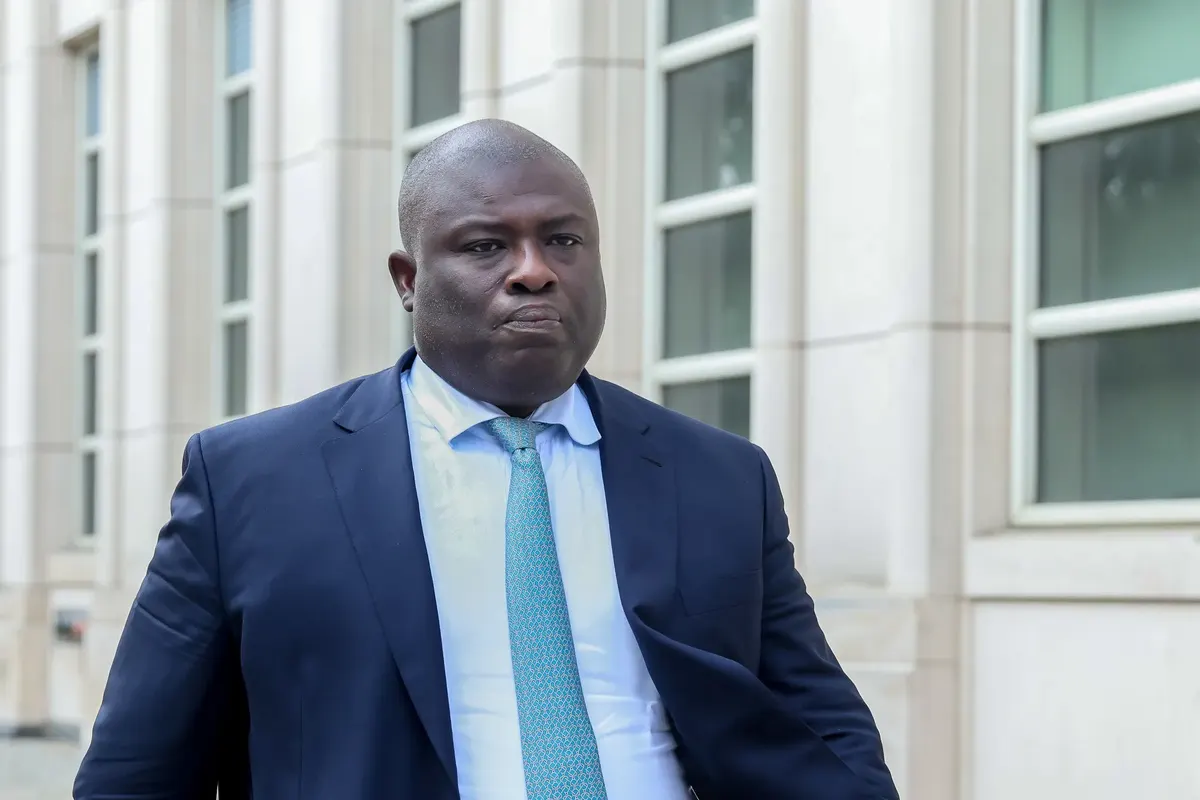

A high-profile corruption case has reached the US courts as Asante Berko, the former managing director of Ghana's Tema Oil Refinery (TOR) and ex-Goldman Sachs banker, faces trial in Brooklyn on charges of orchestrating bribes to Ghanaian government officials. The case centres on allegations that Berko paid approximately $1 million to secure a lucrative Turkish power-plant deal, raising fresh questions about corporate corruption within Ghana's energy sector and the reach of US law enforcement in pursuing financial crimes.
The case against Berko
Berko's trial in the Eastern District of New York brings into sharp focus the murky intersection of high finance, energy infrastructure and political influence in West Africa. As a former Goldman Sachs banker with significant experience in international finance, Berko is accused of leveraging his position at TOR to facilitate illicit payments to Ghanaian officials in exchange for their support of a power-generation project involving Turkish interests. The alleged scheme underscores how multinational corporate deals can become vehicles for bribery when officials prioritise personal enrichment over public interest.
The prosecution's case appears to hinge on documentary evidence and testimony demonstrating that Berko orchestrated payments designed to influence decisions by Ghanaian government bodies responsible for approving or facilitating the power-plant project. Such arrangements, if proven, would constitute violations of US anti-corruption statutes that apply to US persons and foreign officials receiving bribes related to US company interests.
Why it matters for Ghana
This trial carries significant implications for Ghana's governance and international reputation. TOR is a critical state institution responsible for Ghana's petroleum refining and distribution—functions central to the nation's energy security and economic stability. When leaders of such institutions are implicated in large-scale bribery, it damages public confidence and raises concerns about how major contracts have been awarded in the energy sector.
The case also highlights Ghana's vulnerability to corruption at the intersection of government and private enterprise. Foreign investors and their intermediaries have historically exploited weak institutional oversight to gain unfair advantages through bribery rather than competitive merit. A conviction in US courts would reinforce that Ghana's officials and corporate leaders cannot escape accountability for corrupt dealings, even if those dealings occur thousands of miles away.
Furthermore, the prosecution demonstrates the increasing willingness of US authorities to investigate and prosecute corruption involving foreign governments and US-connected individuals. This places pressure on Ghana and other developing economies to strengthen their own anti-corruption frameworks and to cooperate with international enforcement efforts.
Broader context
Ghana has battled corruption across its public institutions for decades. While some progress has been made through agencies like the Office of the Special Prosecutor, high-profile cases involving senior figures remain relatively rare. Corporate corruption in sectors like energy, mining and infrastructure procurement has frequently gone unpunished domestically, with perpetrators escaping justice through political connections or procedural delays.
The Berko case serves as a reminder that international exposure and US jurisdiction can sometimes achieve what domestic institutions cannot. It also sends a cautionary signal to Ghanaian officials and business leaders engaged in similar schemes that foreign jurisdictions—particularly the United States—are willing to extend their reach to hold perpetrators accountable for breaching anti-corruption laws.
Source: 3News


Comments (0)
Be the first to comment.