
Equatorial Guinea Goalkeeper Jesus Owono Handed 12-Match Ban After Fatal On-Pitch Collision in Spain
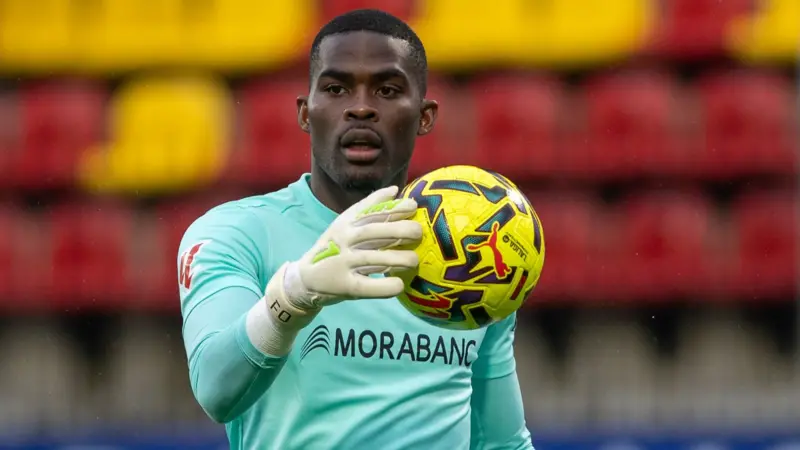

Spanish football's disciplinary committee has handed FC Andorra goalkeeper Jesus Owono a 12-match suspension following a devastating on-field incident that claimed the life of Tenerife forward Jesus de Miguel. The collision, which occurred during a second-tier Spanish league match on 2 November, has sent shockwaves across the football world — including in Africa, where Owono is a recognised international player for Equatorial Guinea.
What happened on the pitch
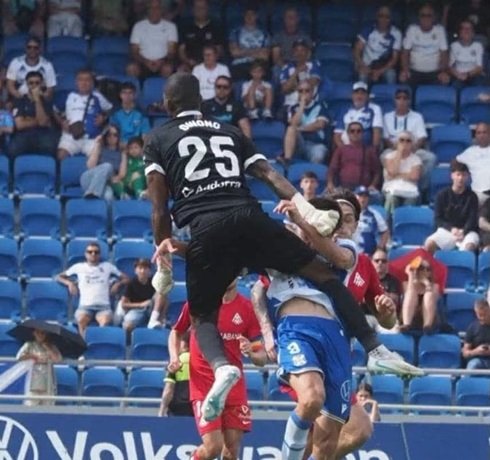
The incident took place in the closing stages of a match between FC Andorra and Tenerife, with the scoreline level at 2-2. Owono collided with De Miguel, and the referee immediately issued a red card, citing the goalkeeper for "violently striking an opponent in the chest with his leg, using excessive force, while the ball was in play." The match was abandoned seven minutes into stoppage time. Tragically, Jesus de Miguel, aged 30, died in hospital the following day from injuries sustained in the collision.
The Spanish football federation's disciplinary committee confirmed it was bound by the facts recorded in the official referee's report when determining the appropriate punishment. Citing the nature of the conduct and the surrounding circumstances, the committee ruled that the maximum available sanction — a 12-match ban — was fully justified. The abandoned match will not be replayed, and the 2-2 scoreline at the time of the incident will stand as the final result. The federation described this as "the most respectful course of action given the extraordinary and tragic circumstances."
Why it matters for Ghana and African football
While Jesus Owono represents Equatorial Guinea rather than Ghana, the case carries enormous significance across African football. Owono, 25, is among the younger generation of African goalkeepers building careers in European leagues, and incidents of this nature raise profound questions about player welfare, the limits of on-field competition, and how football authorities handle tragedies that go far beyond the sport itself.
African football fans and administrators will be watching closely to see how Spanish authorities balance accountability with compassion. The fact that the federation explicitly noted the "tragic outcome" of the incident while still applying the rulebook illustrates the difficult line football bodies must walk when sport intersects with human loss. For Ghanaian goalkeepers and players competing abroad — many of whom face the pressures of physical, high-stakes matches in European leagues — the case is a sobering reminder of how quickly circumstances on the pitch can turn irreversible.
There is also a human dimension that resonates deeply. FC Andorra issued a statement on Owono's behalf days after the incident, saying he was going through "the most difficult days" of his life and felt "enormous pain" over De Miguel's death. His club manager, Carles Manso, confirmed this week that Owono has not yet decided whether he will return to professional football at all.
Owono's future uncertain as club offers full support
Manso emphasised that Owono is currently with his family and that the club is giving him complete freedom to determine his own future. "What we have to do is support him in every way and be close to him," Manso said, adding that the club would "give him space so that he feels completely free to make any decision, whether he wants to return, when, or if he does not want to return."
The case has prompted wider reflection on how football prepares players — mentally and emotionally — for extreme situations, and whether support structures are sufficient when the unthinkable occurs. For now, Jesus Owono remains away from the game, carrying a burden no footballer could ever anticipate. The football community, across Europe and Africa alike, continues to mourn the loss of Jesus de Miguel.
Source: MyJoyOnline

Comments (0)
Be the first to comment.