Daughters of Glorious Jesus: How Strategic Planning Shields Musicians from Financial Crisis

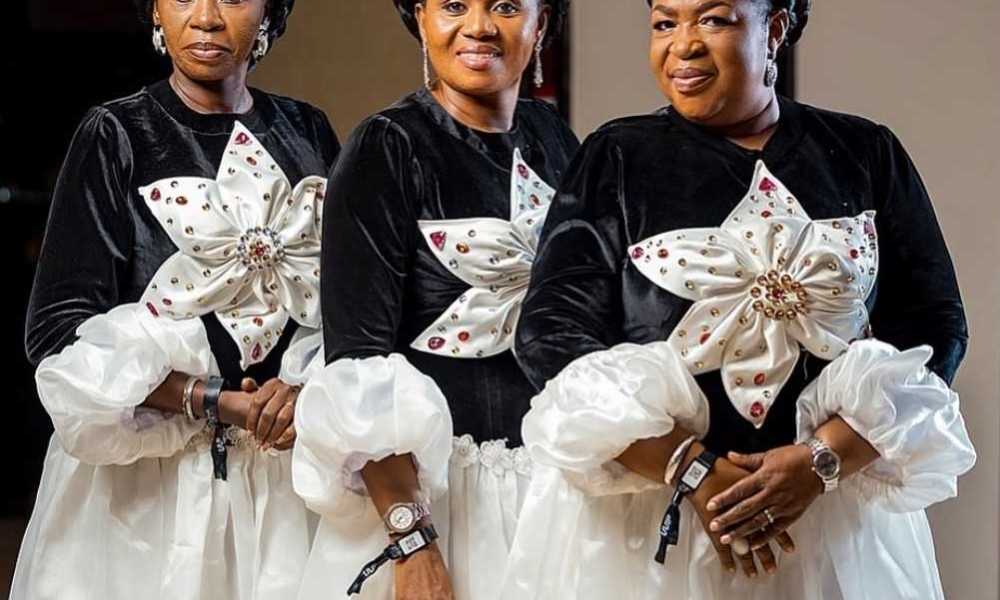
Daughters of Glorious Jesus, one of Ghana's most enduring gospel music ensembles, has opened up about the financial discipline that has enabled them to build security beyond their music careers. In a candid interview, group member Edna Sarpong revealed that deliberate planning and wise money management over their 35-year journey have insulated them from the financial desperation that has plagued many veteran musicians.
The trio's message comes at a time when several established Ghanaian entertainers have made public appeals for financial assistance during health crises or financial hardship. Rather than judge, Daughters of Glorious Jesus has used their own experience to underscore a critical lesson: active earning years must be used strategically to build foundations that outlast careers.
The Financial Wisdom Behind the Ministry
Sarpong emphasised that the group's longevity in gospel music is not solely a testament to spiritual calling, but also to pragmatic financial stewardship. While acknowledging God's blessings, she stressed that faith and financial responsibility go hand in hand. The group has intentionally resisted the temptation to spend earnings exclusively on visible luxuries, instead prioritising investments and savings that would protect them in retirement.
"In all humility, respect and by the grace of God, there is no one in Daughters of Glorious Jesus who will ever have to beg for financial support if we stop singing because we have prepared and put things in place while we are still working," Sarpong stated.
Her remarks suggest the group has likely invested in property, established business interests, or other income-generating assets—moves that many musicians postpone in favour of immediate consumption. The group has not disclosed specific financial strategies, but their public stance signals that such planning is achievable within the Ghanaian creative industry.
Why It Matters for Ghana's Music Industry
Ghana's music sector is dominated by self-employed creatives who lack the pension schemes and employment benefits available to corporate or public sector workers. This structural reality makes financial planning essential—yet many musicians operate without formal retirement strategies. Daughters of Glorious Jesus' message challenges a cultural narrative that sometimes glorifies living for the present moment.
The group's candour also reflects growing concern within Ghana's entertainment community about the welfare of ageing artists. When veteran musicians resort to public fundraising, it raises uncomfortable questions about industry sustainability, mentorship, and whether younger artists are learning from their predecessors' mistakes. By speaking publicly about their own prudence, Daughters of Glorious Jesus is effectively advocating for a shift in how musicians approach their careers and finances.
Sarpong further urged her peers to align their lifestyles with their spiritual messages. For gospel musicians especially, the criticism cuts deeper: preaching about God's provision while living beyond one's means creates a credibility gap. "People will even question what the God you preach about has done for you if your life does not reflect it," she noted.
A Broader Call to Action
The trio's stance is not meant as arrogance but as practical counsel. Sarpong acknowledged the emotional weight of seeing fellow artists struggle, but used that sympathy to reinforce urgency. Expensive clothing and accessories are not inherently wrong, but they should never take priority over securing one's future.
For younger Ghanaian musicians and creatives, the message is unambiguous: success in your field must translate into financial security that extends beyond your active years. This requires discipline, professional financial advice, and a willingness to forgo some immediate gratification. Daughters of Glorious Jesus has modelled this path over three and a half decades, and their willingness to discuss it publicly offers a rare window into how sustainability is achieved in Ghana's creative industries.
Source: Ameyaw Debrah

-1-738x414.webp)

Comments (0)
Be the first to comment.