
Courts at a Standstill: Judicial Secretary Pleads With JUSAG to End Strike as Justice System Feels the Strain
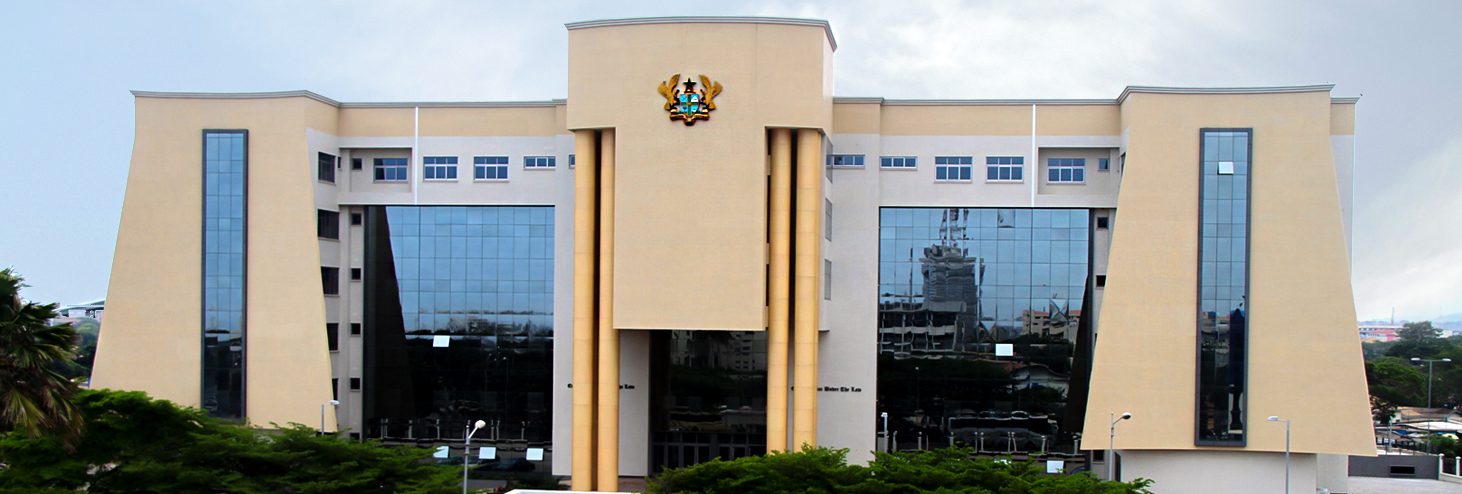

Ghana's court system is facing significant disruption after workers of the Judicial Service Staff Association of Ghana (JUSAG) went on strike over a deadlock in salary negotiations for 2026, prompting the Judicial Secretary to issue an urgent public appeal for staff to return to their posts while talks continue.
In a press release issued on Saturday, 31st October, the Management of the Judicial Service acknowledged that genuine frustrations exist among workers and assured them that their concerns were being taken seriously at the highest level. Management said it was currently engaged in what it described as high-level, good-faith negotiations with relevant government stakeholders aimed at reaching a fair and lasting resolution.
What triggered the strike?
The industrial action stems from a disagreement over the 2026 salary review for Judicial Service employees. JUSAG members, who include a wide range of court staff — from registry workers to administrative personnel — have withdrawn their services in protest over what they regard as an unacceptable outcome to salary negotiations. The strike has brought routine court operations across the country to a near halt, with cases unable to proceed as normal in the absence of essential support staff.
Judicial Service Management acknowledged the critical role every member of staff plays in keeping the justice system running, describing employees as indispensable to the effective administration of justice in Ghana. Despite this recognition, the salary disagreement has pushed workers to take the drastic step of downing tools.
Why it matters for Ghana
The consequences of a prolonged judicial strike stretch far beyond administrative inconvenience. Ghana's courts handle matters that directly affect the lives of ordinary citizens — from criminal cases involving accused persons remanded in custody, to civil disputes, family matters and the protection of fundamental rights. When court operations grind to a halt, the most vulnerable people in society tend to bear the heaviest burden.
The Judicial Service Management was candid about this reality in its press release, warning that the continued absence of staff could undermine the delivery of justice to citizens who depend on the judicial system to protect their rights and maintain social order. Persons held on remand, litigants seeking urgent redress and families caught in legal disputes face indefinite delays the longer the strike continues.
Management also reminded JUSAG members of their constitutional obligations, noting that justice in Ghana is administered in the name of the people — a responsibility that, it argued, must weigh heavily in any decision to withdraw services.
Management's appeal and the road ahead
The Judicial Secretary's appeal was firm but measured in tone. Management called on JUSAG leadership and its members to consider the broader national interest and return to work while negotiations remain ongoing. It stopped short of issuing threats, instead emphasising the shared responsibility of both staff and management to put the needs of the Ghanaian public first.
The Judicial Service reiterated its commitment to resolving the impasse as swiftly and equitably as possible, and urged both sides to maintain a spirit of cooperation. Whether JUSAG will heed the call remains to be seen, but the pressure is mounting — both from management and from the Ghanaian public — for a swift resolution that keeps the wheels of justice turning.
- JUSAG is on strike over an unresolved 2026 salary review dispute with the Judicial Service.
- Court operations across Ghana have been disrupted, affecting vulnerable citizens and accused persons.
- The Judicial Secretary is urging workers to return while high-level negotiations continue.
Source: MyJoyOnline


-1200x675.webp)

Comments (0)
Be the first to comment.