
Coconut Grove Hotel launches annual breast cancer screening drive for Accra staff and community
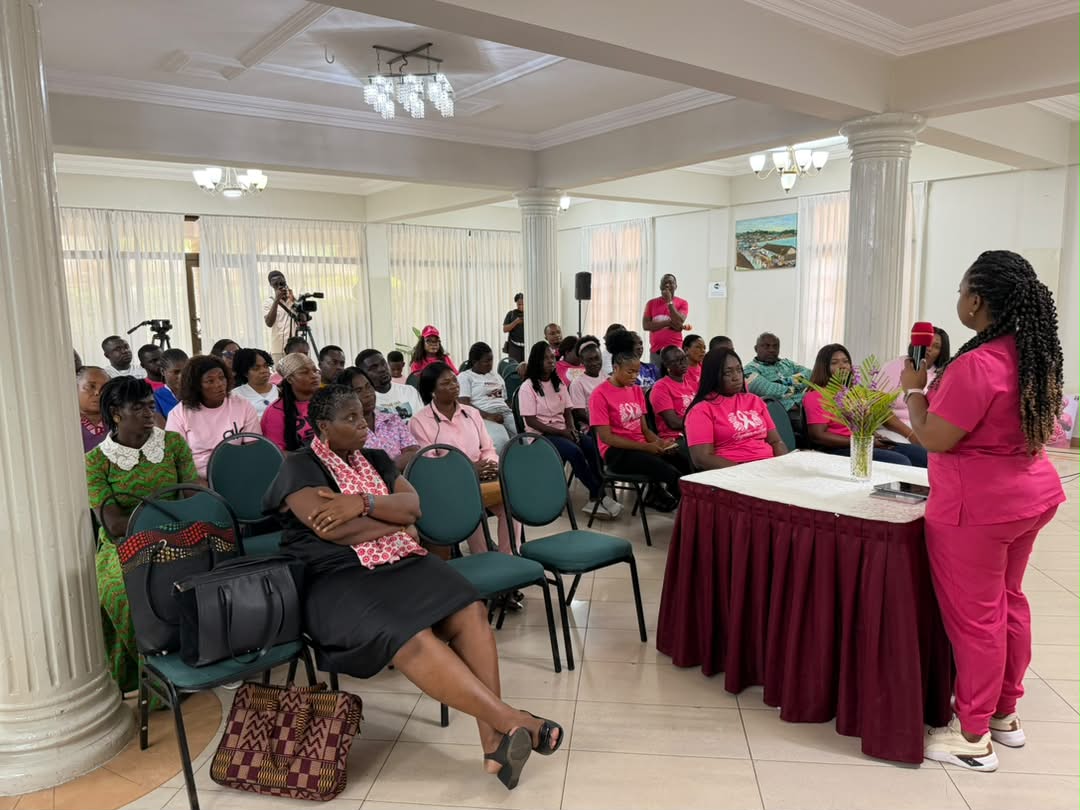

Coconut Grove Regency Hotel has cemented its commitment to preventive healthcare by hosting a free breast cancer screening and awareness event at its premises in Accra, drawing employees, community members and personnel from the National Youth Authority. The initiative, held on Friday, 23 October 2026, represents the latest in what the hotel says is now an annual corporate health responsibility programme aimed at catching the disease early and removing stigma around screening.
The event brought together a broad partnership including Groupe Nduom, the Association of Ghana Industries (AGI), and Accra Medical Centre (AMC), signalling growing private sector engagement in public health campaigns across Ghana's capital. Participants included hotel staff, local residents and NYA representatives, extending the reach of essential healthcare services beyond a single organisation.
Corporate health leadership and prevention messaging
Ralph Ayitey, Chief Executive Officer of Coconut Grove Regency Hotel, framed the screening as part of a deliberate shift toward preventive care within the hotel group's wider strategy. He stressed that regular health checks and early detection are cornerstones of the organisation's approach to staff and community welfare, emphasising the principle that prevention remains cheaper and more effective than treatment after disease develops.
Barbara Brown, General Manager of Credibilis Ltd, urged both men and women to overcome fear and misconceptions that often delay screening and diagnosis. She highlighted that early detection of breast cancer dramatically improves treatment success rates, a message particularly important in contexts where cultural taboos or lack of awareness may prevent people from seeking help early.
Why it matters for Ghana
Breast cancer remains a significant public health challenge in Ghana. According to health authorities, many cases are diagnosed at advanced stages when treatment options are limited and outcomes poorer. Corporate-led screening initiatives like this one help address gaps in access to preventive healthcare, particularly for working-class Ghanaians and their families who might otherwise lack affordable or convenient testing options.
The involvement of industry bodies such as AGI signals that Ghana's private sector is taking health leadership seriously. These collaborative models—where hotels, medical centres, industry associations and government youth bodies coordinate—offer a blueprint for scaling preventive health campaigns across other sectors and regions. For Accra residents, such events also serve as touchpoints for health education, helping normalise screening and reduce the stigma often surrounding cancer diagnosis.
Coconut Grove's decision to make this an annual event suggests sustained commitment beyond one-off corporate charity, which can translate into real behaviour change if marketed consistently and made accessible to broader populations over time.
The collaborative approach
The partnership model underpinning this screening reflects a growing recognition among Ghana's health stakeholders that disease prevention requires coordination across sectors. Medical facilities bring diagnostic expertise, hotels and businesses provide venues and mobilise their workforces, industry associations lend credibility and reach, and youth organisations help engage younger populations. This ecosystem approach, if replicated and strengthened, could help Ghana inch toward its health targets and reduce the burden of preventable disease-related morbidity and mortality.
Source: Today GH

-1200x800.webp)


Comments (0)
Be the first to comment.