
Cambridge Scientist Killed in Spain's Deadliest Train Crash in Over a Decade Was Heading to Collect Science Award
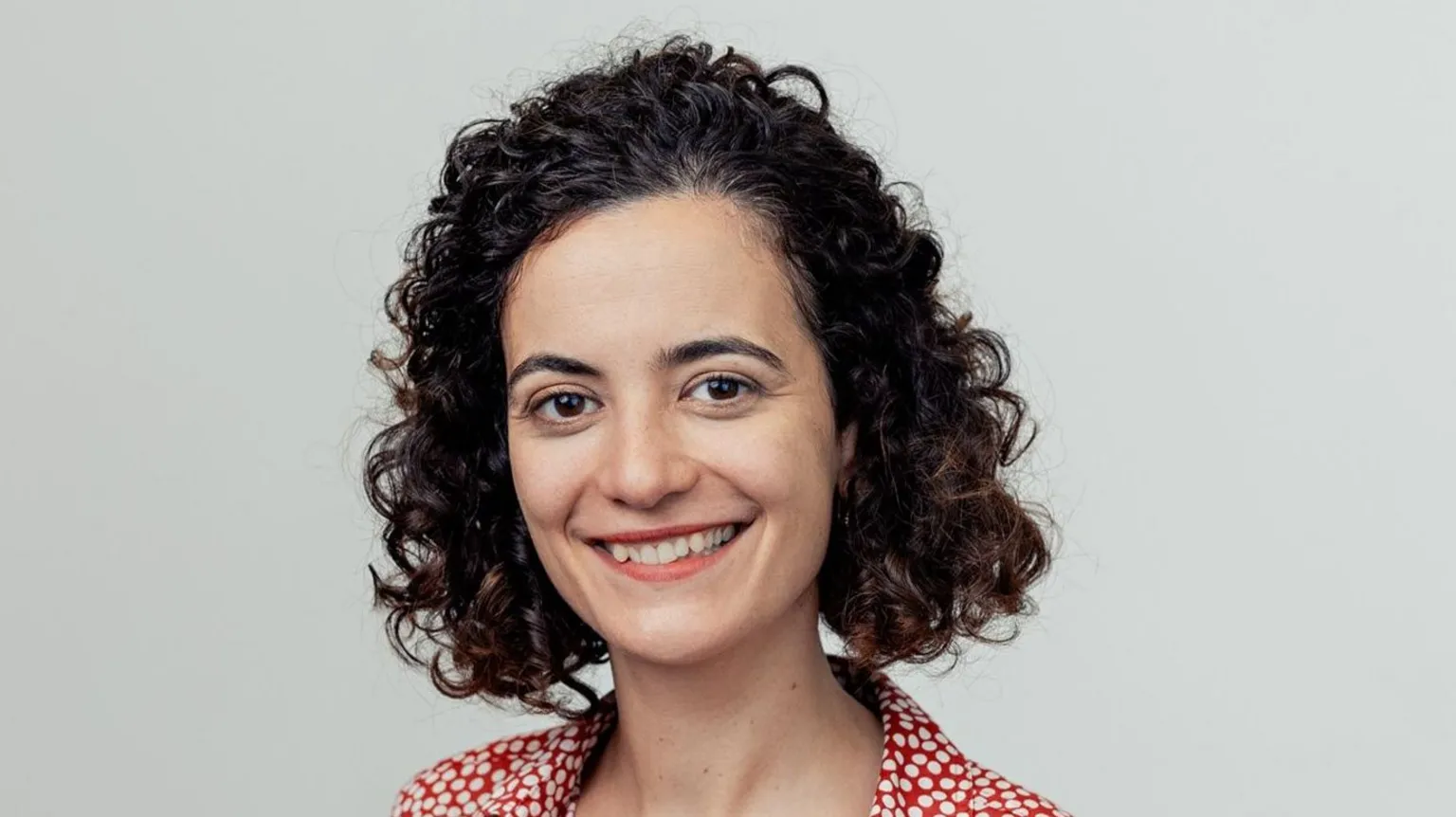

A celebrated scientist attached to the University of Cambridge has lost her life in one of the worst rail disasters in modern European history — a collision between two trains near Urda, south of Madrid, that claimed at least 69 lives and left hundreds more injured. Dr Marta Shahbazi, a leading researcher in cell biology and early human development, was on board a state-operated Renfe high-speed train when it struck a stationary Iryo-operated service on Wednesday. She was on her way to receive a major scientific honour.
A life dedicated to understanding human development
Dr Shahbazi led the Shahbazi Laboratory at the MRC Laboratory of Molecular Biology (LMB), situated on the Cambridge Biomedical Campus, and also held roles as an affiliate principal investigator and affiliate assistant professor at the University of Cambridge's Stem Cell Institute (CSCI). Her research focused on the earliest stages of human embryo development — work that shed important light on why some pregnancies fail at a cellular level.
She had completed her PhD at the Spanish National Cancer Research Centre before moving to Cambridge as a post-doctoral fellow and subsequently joining the LMB in 2020. In a relatively short time, she had earned multiple international awards recognising the quality and originality of her science. At the time of her death, she had been named as the winner of a Spanish Society for Developmental Biology award for her outstanding contributions to the study of early human development. She was travelling to collect that award at a conference in El Rompido, Andalusia, when the crash occurred.
The LMB described her passing as "a profound shock and a huge loss", paying tribute to an "inspiring, talented and passionate scientist." Professor Bertie Gottgens, director of the CSCI, said the institute was "shocked and deeply saddened", adding that her "creativity, passion, and generosity will be greatly missed." Dr Shahbazi was also a mother of two young children and had written publicly about the challenge of balancing family life with a demanding scientific career, becoming a role model for what she called a "mother scientist."
What happened on the tracks near Madrid
The disaster unfolded when a high-speed Renfe train travelling at speed collided with the rear of a stationary Iryo train near Urda, a town located south of the Spanish capital. More than 540 passengers were on board both trains at the time of the crash. The scale of casualties makes it Spain's deadliest rail accident since a crash in 2013, and among the most serious train disasters seen anywhere in Europe in recent decades. The Spanish government declared three days of national mourning in response to the tragedy. Investigations into the cause of the collision are expected to be a focus of intense scrutiny in the coming weeks.
Why this tragedy resonates beyond Europe
While the crash occurred on European soil, its significance reaches further. The University of Cambridge attracts researchers, students and academics from across the African continent, including many Ghanaians and other West Africans who pursue postgraduate studies and research fellowships there. Disasters of this nature serve as a sober reminder of the fragility of life for those working and studying abroad, far from their home countries and families.
Beyond the personal dimension, Dr Shahbazi's research into human embryo development and the biological causes of failed pregnancies is a field with real implications for global health — including in Ghana and across Africa, where reproductive health outcomes remain a significant public health priority. The loss of a scientist of her calibre is felt not just by Cambridge or Spain, but by the broader global scientific community.
- The UK's Foreign Office was contacted by media following the crash as part of standard procedure to determine whether any British nationals were among the casualties.
- Dr Shahbazi had Spanish academic roots, having completed her doctorate in Spain before building her career in the United Kingdom.
- Spain declared three days of national mourning following the disaster, which ranks among the continent's worst modern rail accidents.
Source: MyJoyOnline



Comments (0)
Be the first to comment.