
Brain Drain Alert: Nearly Two-Thirds of Ghana's Nurses and Midwives Have Contemplated Quitting the Profession
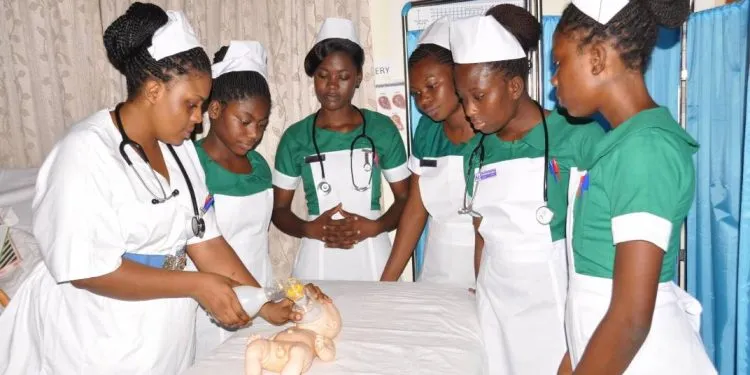

Ghana's healthcare sector is facing a looming workforce crisis, with a significant majority of nurses and midwives admitting they have seriously considered abandoning the profession entirely. A study conducted by the University of Professional Studies Nurses and Midwives Group (UPNMG) has found that 64% of nursing and midwifery professionals in the country have contemplated leaving their careers, raising urgent questions about the sustainability of Ghana's public health system.
The scale of the problem
Of those who have considered leaving, 65.4% specifically identified travelling or working abroad as their preferred alternative path. This figure is particularly alarming because it points not merely to workers switching careers domestically, but to a wholesale exodus of skilled health professionals from Ghana's borders entirely. The findings shine a stark light on what many health professionals and analysts have long warned about — that Ghana is haemorrhaging some of its most critical frontline workers to wealthier nations, primarily in Europe and North America.
Nurses and midwives form the backbone of Ghana's healthcare delivery system. They are often the first and sometimes only point of contact for patients in rural and peri-urban communities. Any significant reduction in their numbers — whether through career abandonment or emigration — would directly translate into longer waiting times, reduced access to maternal and child health services, and an increased burden on those who remain.
Why it matters for Ghana
Ghana has struggled with healthcare worker retention for decades, but the problem has intensified sharply in recent years. Following the COVID-19 pandemic, wealthy nations such as the United Kingdom, Canada, and the United States aggressively recruited health workers from developing countries, including Ghana, to fill their own staffing gaps. The UK's National Health Service, for instance, has been a notable destination for Ghanaian nurses, drawn by significantly higher salaries, better working conditions, and clearer career progression pathways.
At home, nurses and midwives frequently cite poor remuneration, delayed promotions, inadequate medical supplies, and a general lack of government appreciation as driving forces behind their desire to leave. The Ghana Health Service has faced persistent complaints from health workers about conditions on the ground, particularly in district and regional hospitals far from Accra.
The implications of this study extend beyond individual frustrations. Ghana's ability to meet its own healthcare targets — including those tied to universal health coverage and reductions in maternal and infant mortality — depends heavily on retaining a robust nursing and midwifery workforce. Losing even a fraction of these professionals to emigration could set back years of progress in community health delivery.
- Poor pay and working conditions remain among the most cited reasons health workers consider leaving.
- Rural and underserved communities stand to suffer most if nurse emigration accelerates.
- Ghana has invested significantly in training health workers, making each departure a loss of public investment as well as human capital.
What needs to happen next
Health policy experts and professional bodies have consistently called on the government to treat healthcare worker retention as a national security issue rather than a routine human resources matter. Proposed solutions include competitive salary reviews, transparent promotion processes, improved workplace infrastructure, and incentive packages for professionals who choose to serve in underserved areas.
The UPNMG study serves as a timely and sobering reminder that good intentions alone will not keep Ghana's health workers at home. Without concrete, sustained intervention from both the Ministry of Health and the Ghana Health Service, the country risks watching its nursing and midwifery workforce quietly disappear — one international flight at a time. Policymakers would do well to treat these findings not as a warning for the future, but as a crisis unfolding in the present.
Source: 3News



-1200x675.webp)

Comments (0)
Be the first to comment.