Beyond the Pitch: Ghana's Real Sports Infrastructure Crisis and Why It Matters
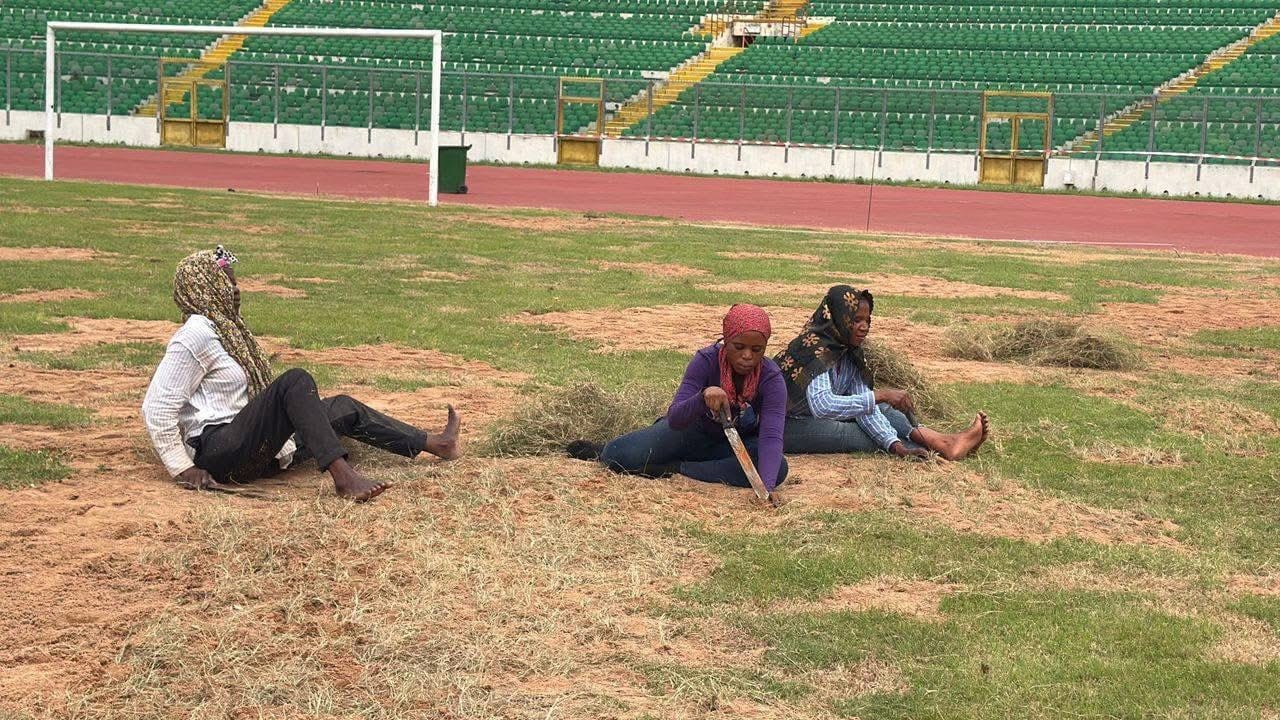
Ghana's viral moment of groundskeepers battling to restore Baba Yara Sports Stadium's pitch exposed not a failure of maintenance workers, but a systemic neglect that has quietly crippled the nation's sporting ambitions. While social media focused on the deteriorated pitch, the real question facing Ghana is far more troubling: where have nearly two decades of football revenue actually gone?
Since Ghana's historic 2006 FIFA World Cup qualification, the country has accessed substantial prize money, broadcasting deals, sponsorship agreements, and corporate investment in football. Yet major stadiums across the country continue to suffer from poor playing surfaces, ageing equipment, and sporadic maintenance cycles that only intensify around major fixtures. This pattern reveals a fundamental disconnect between income and investment in sports infrastructure.
The Infrastructure Investment Gap
A football pitch is not simply grass. Modern sports surfaces require sophisticated irrigation systems, professional machinery, technical expertise, and year-round maintenance schedules. FIFA recognises that quality infrastructure directly impacts player safety, performance levels, and a nation's ability to host international competitions successfully. The gap between what Ghana earns from football and what it invests back into facilities suggests either misallocation of funds or absence of strategic planning.
This problem extends beyond football. Ghana's broader sports infrastructure—track and field facilities, basketball courts, swimming pools, and training grounds—have similarly suffered from inconsistent investment. The consequence is that Ghanaian athletes often train in substandard conditions compared to regional competitors, while the country struggles to host major African and international sporting events.
Why This Matters for Ghana's Sporting Future
Ghana's ambitions in African football and broader continental sport cannot be realised without addressing infrastructure fundamentals. Neighbouring countries like Ivory Coast and Nigeria have invested in stadium renovations and training facilities that enhance both player development and tourism revenue. Ghana risks falling further behind as African nations compete for hosting rights and investment from international sporting bodies.
Beyond elite sport, poor infrastructure limits grassroots participation. Young Ghanaians in many communities lack access to quality playing surfaces, limiting talent identification and development pathways. This has long-term implications for the Black Stars' competitiveness and Ghana's ability to produce world-class athletes.
A Path Forward: Sustainable Solutions
Temporary repairs before important matches represent crisis management, not strategy. Ghana requires a dedicated Sports Infrastructure Fund built on sustainable revenue streams: a percentage of international football prize money, government budget allocation, corporate sponsorships, and structured public-private partnerships. Such an approach would ensure continuous maintenance, modern facility upgrades, and professional management independent of election cycles.
The Baba Yara controversy should serve as a turning point. Rather than blaming groundskeepers doing their best with limited resources, Ghana's leaders must confront uncomfortable truths about budget priorities and financial accountability in sports governance. Building world-class facilities requires vision that extends beyond individual leaders' tenures.
Great football—and great sport generally—is built on three pillars: talent, policy, and infrastructure. Ghana has demonstrated talent repeatedly. What remains absent is the institutional commitment to create and maintain the physical environment where that talent can flourish. Without this shift, Ghana will continue to waste potential and squander opportunities to dominate African sport.
Source: MyJoyOnline


Comments (0)
Be the first to comment.