
Beyond the paperwork: Why Ghana's SOEs must do more than file audited accounts
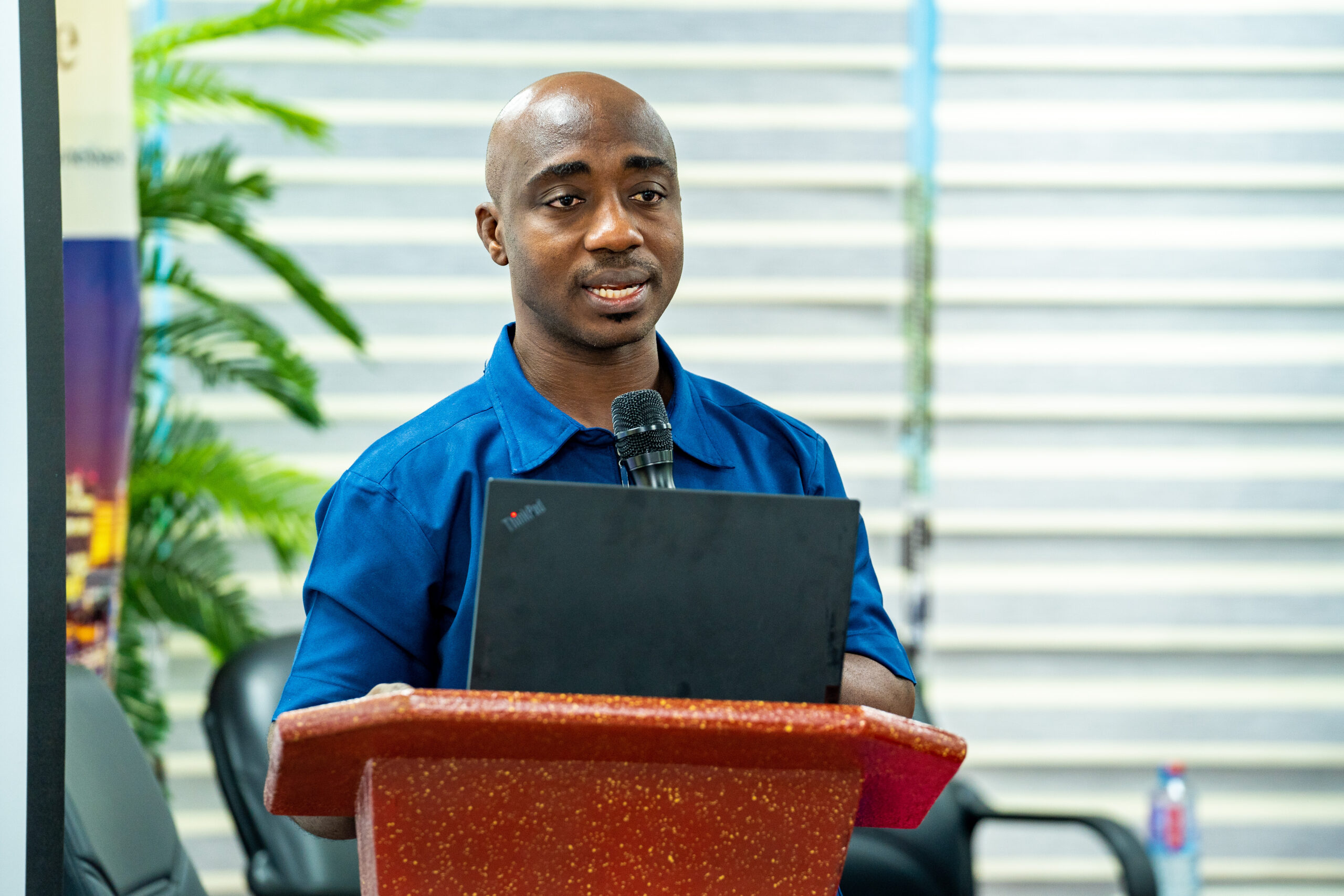

Ghana's state-owned enterprises are being urged to move beyond a checkbox approach to corporate governance, with a senior Deloitte partner cautioning that filing audited accounts without holding proper annual general meetings falls short of international standards.
Yaw Appiah Lartey, a lawyer and Deloitte partner leading transactions and Africa infrastructure and capital projects, raised the concern on JoyNews' Newsfile, highlighting a critical gap between compliance paperwork and genuine accountability mechanisms that protect public assets and stakeholder interests.
Progress and persistent gaps
The number of state entities submitting audited financial statements has nearly doubled, increasing from 53 to 108 in the latest reporting period—a development that the State Interests and Governance Authority (SIGA) and government have presented as a significant improvement in Ghana's corporate governance landscape.
While Appiah Lartey acknowledged this as positive progress, he stressed that the metric masks a deeper problem: many SOEs appear to be treating audited accounts as the full extent of their governance obligations rather than as a single component of a broader framework.
The distinction matters considerably. Submitting financial statements to regulators creates a paper trail but does not necessarily mean those statements have been rigorously examined by the organisation's own governance structures or subjected to shareholder scrutiny through formal meetings.
Why it matters for Ghana
Ghana's public sector loses billions annually to inefficiency, mismanagement and opaque financial practices at state enterprises. These entities—ranging from utility companies to financial institutions—control critical infrastructure and deliver essential services that directly affect ordinary Ghanaians' daily lives. When corporate governance is weak, the costs are borne by citizens through service failures, inflated operational expenses and reduced public revenues.
Proper annual general meetings serve as a formal mechanism for boards to present accounts to shareholders (in this case, the state and Ghanaian taxpayers), for auditors to explain their findings directly to decision-makers, and for concerns to be formally raised and addressed. Without this process, audited accounts can sit in filing cabinets whilst underlying problems remain unaddressed.
SIGA's mandate is to improve how the state manages its vast portfolio of enterprises. The focus on submission deadlines is understandable—it creates visibility—but Appiah Lartey's warning suggests that performance metrics alone do not guarantee that SOEs are actually becoming better-managed or more transparent in practice.
A differentiated approach needed
Appiah Lartey also recommended that SIGA adopt a more nuanced assessment framework, distinguishing between commercially oriented state enterprises and those established primarily to deliver public services. A utility company's performance should not be measured by the same profit-focused criteria applied to a state-owned bank, he argued, as these entities operate under fundamentally different mandates and constraints.
This distinction is crucial for Ghana's SOE reform agenda. Lumping all entities into a single governance template can penalise essential services that are deliberately run at a loss to ensure universal access or affordability, whilst failing to apply sufficient commercial rigour to profit-generating enterprises that should be driving returns to the state.
The immediate call to action is for SIGA and state entities to ensure that audited financial statements are formally presented and debated at annual general meetings, with proper documentation of governance decisions and shareholder approvals. This will transform audited accounts from mere paperwork into a genuine instrument of accountability and corporate discipline.
Source: MyJoyOnline


Comments (0)
Be the first to comment.