Attorney-General drops bid to block ex-MASLOC chief's release from prison

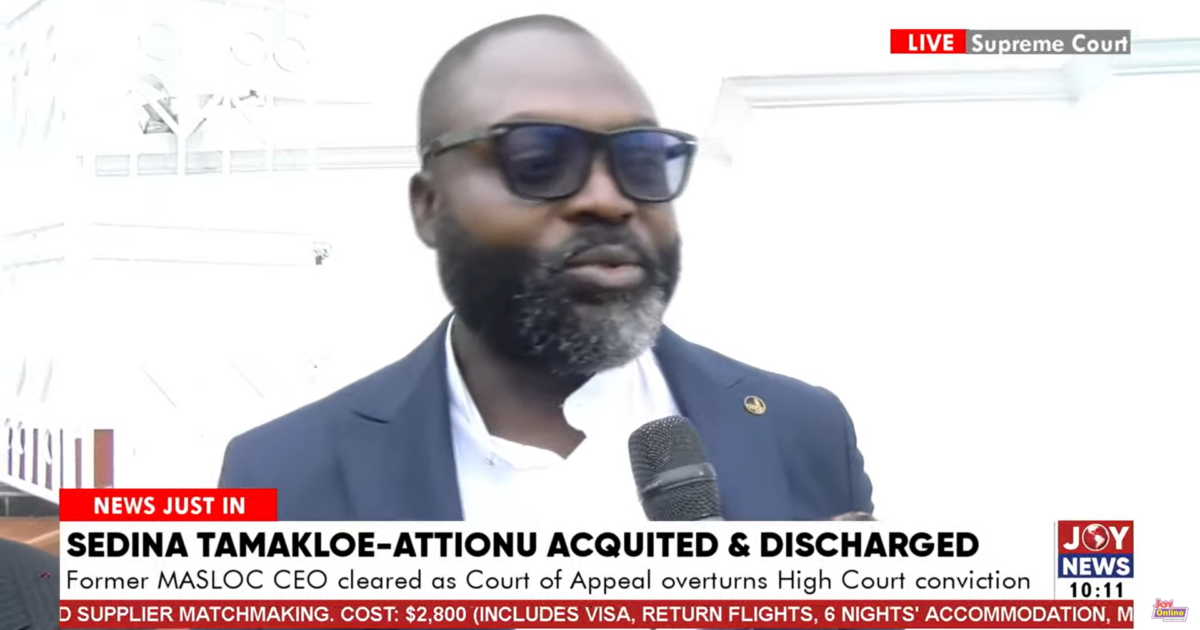
In a significant development in a high-profile case, the Attorney-General has withdrawn its application at the Court of Appeal aimed at halting the release of former Microfinance and Small Loans Centre (MASLOC) chief executive Christine Sedina Tamakloe-Attionu from prison custody. The court has now struck out the application as withdrawn, clearing the way for her discharge following her acquittal.
The withdrawal marks an end to the government's legal attempt to forestall Tamakloe-Attionu's freedom, a move that could signal a shift in the prosecution's strategy or acknowledgement of weakened legal grounds for the stay request. The former MASLOC boss had been acquitted, and the Attorney-General's office had sought to delay her release pending a potential appeal.
Background to the case
Christine Sedina Tamakloe-Attionu served as the chief executive of MASLOC, a state institution created to provide microfinance support to small and medium-sized enterprises across Ghana. Her legal troubles have drawn considerable public attention due to the prominence of the institution and questions surrounding its governance and operations during her tenure.
The acquittal that triggered the Attorney-General's stay application represents a court decision in her favour, yet the law officers' move to halt her release suggested they were preparing grounds for further legal action. The withdrawal of this application now suggests that avenue may not be pursued at this stage.
Why it matters for Ghana
This case touches on accountability, governance, and the rule of law in Ghana's public institutions. MASLOC is a critical vehicle for supporting informal sector entrepreneurs and small businesses, meaning its leadership and management have direct implications for thousands of Ghanaians seeking access to credit and business support.
The legal proceedings highlight ongoing scrutiny of public sector leadership, particularly in financial institutions. The case has implications for how the judiciary, executive, and Attorney-General's office interact in high-profile matters. Public confidence in both the criminal justice system and institutional governance depends partly on how such cases are handled and resolved fairly and transparently.
The withdrawal of the stay application also raises questions about resource allocation and prosecutorial strategy. The Attorney-General's office manages numerous cases, and decisions to pursue or withdraw applications reflect prioritisation of cases and assessment of their merits.
Next steps and implications
With the application struck out as withdrawn, the path appears clear for Tamakloe-Attionu's release, barring any other legal obstacles. The decision does not preclude the Attorney-General from pursuing further appeals on other grounds or seeking review of the acquittal itself, though the withdrawal suggests a recalibration of the immediate legal strategy.
The case continues to be watched closely by observers of Ghana's judicial system and public sector governance. The outcome will inform ongoing conversations about accountability mechanisms, the independence of prosecutorial decisions, and the operation of Ghana's courts in high-stakes cases involving state officials and institutions.
Source: 3News



Comments (0)
Be the first to comment.