Against the odds: How Lawra Hospital staff deliver life-saving care in a crumbling 98-year-old facility
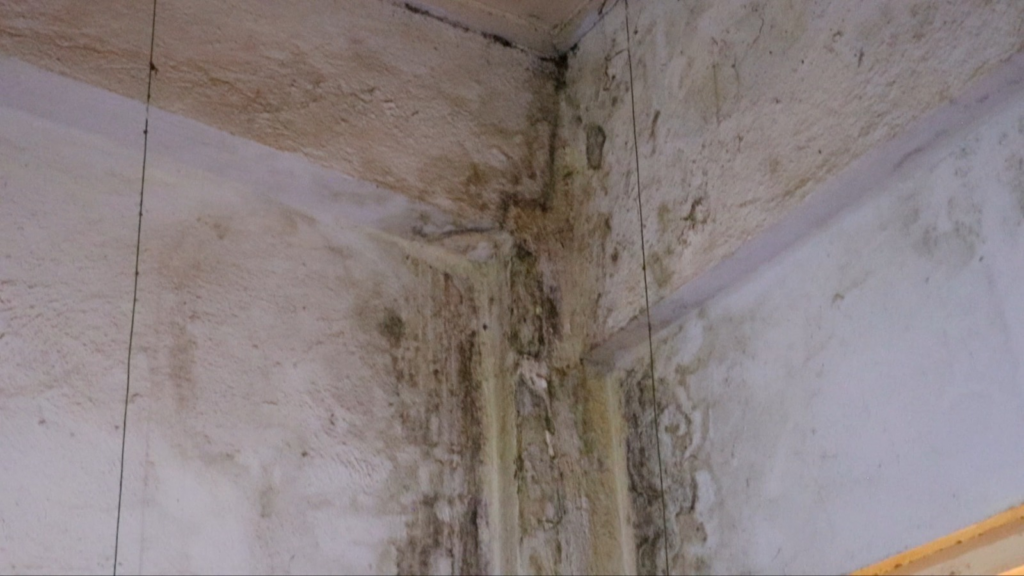
The Lawra Municipal Hospital in Ghana's Upper West Region is a stark reminder of how healthcare workers across the country continue to save lives despite working in conditions that would be considered unacceptable in most developed nations. At 98 years old, the facility—established in 1928—has never undergone any major renovation, yet its dedicated staff continue to deliver emergency surgeries and conduct childbirth services amid leaking roofs, invading insects, and severe equipment shortages.
The crisis at Lawra Hospital reflects a broader challenge facing many secondary healthcare facilities across Ghana. The hospital's financial struggles stem from low Out-Patient Department attendance and accumulated legacy debts that have made it nearly impossible to procure even basic medical consumables. Staff have previously been forced to ask emergency patients to purchase their own surgical supplies from town pharmacies before treatment could begin—a practice that places vulnerable patients at even greater risk.
The operating theatre crisis and a glimmer of hope
One of the most alarming challenges has been in the surgical ward, where the old wooden doors and louvre windows created an environment unsuitable for sterile procedures. Mohammed Muslim, a theatre nurse and deputy in charge, described a nightmarish reality: insects, including crickets, regularly invaded the operating theatre during night-time surgeries. The risk posed to patients undergoing open abdominal surgery is severe; contamination from insects can introduce life-threatening infections that could prove fatal.
Relief has begun to arrive through the intervention of Lawra Constituency's Member of Parliament, Bede Anwataazumo Ziedeng, who has funded the replacement of wooden doors and louvre windows with airtight alternatives and is installing new air conditioning units. The improvements have already made a measurable difference, though the hospital's challenges extend far beyond the theatre.
Maternity ward battles rainy season nightmare
The maternity and gynaecology wards present an equally troubling picture. During Ghana's rainy season, heavy leaks force expectant mothers to abandon their beds and share with other patients simply to stay dry. Aysha Goodman, Deputy Chief Midwifery Officer for Public Health at the facility, explained that rainwater pours directly onto patient beds, making the ward unusable during peak rainfall.
The shortages compound the infrastructure problems. The hospital lacks adequate bedsheets, mattresses, and critically, an ultrasound machine. In emergencies requiring scans before surgery, pregnant women must be wheeled outside the hospital facility to undergo imaging before returning for treatment—a dangerous procedure that delays critical care.
Despite these extraordinary challenges, the maternity team has achieved a remarkable milestone: zero maternal deaths for four consecutive years. This remarkable safety record stands as a testament to the skill, dedication and resourcefulness of the nursing and midwifery staff.
Why this matters for Ghana's healthcare system
Lawra Hospital's struggles are not unique. Many hospitals across Ghana's regions face similar infrastructure deficits and equipment shortages that compromise care quality and staff morale. The hospital's experience highlights the gap between Ghana's healthcare policy ambitions and the reality faced by healthcare workers in rural and remote areas.
Medical Superintendent Dr Ziblila Musah has appealed to the government, District Assembly and philanthropists to urgently renovate the facility and provide essential equipment. A recent donation of GH¢100,000 worth of non-drug consumables such as gloves and syringes from the MP has provided temporary relief, but permanent solutions require sustained investment.
The message from Lawra Hospital's leadership is clear: staff motivation and patient safety depend on providing adequate working conditions and resources. As Dr Musah stated, when healthcare workers have the tools and environment they need, they are positioned to deliver their best care. For Ghanaians in the Upper West Region and similar areas relying on these aging facilities, sustained government commitment to healthcare infrastructure renewal is not a luxury—it is a necessity.
Source: MyJoyOnline

.jpg)


Comments (0)
Be the first to comment.