Accra Floods Expose a Deeper Crisis: The Hidden Economic Cost of a City Under Water
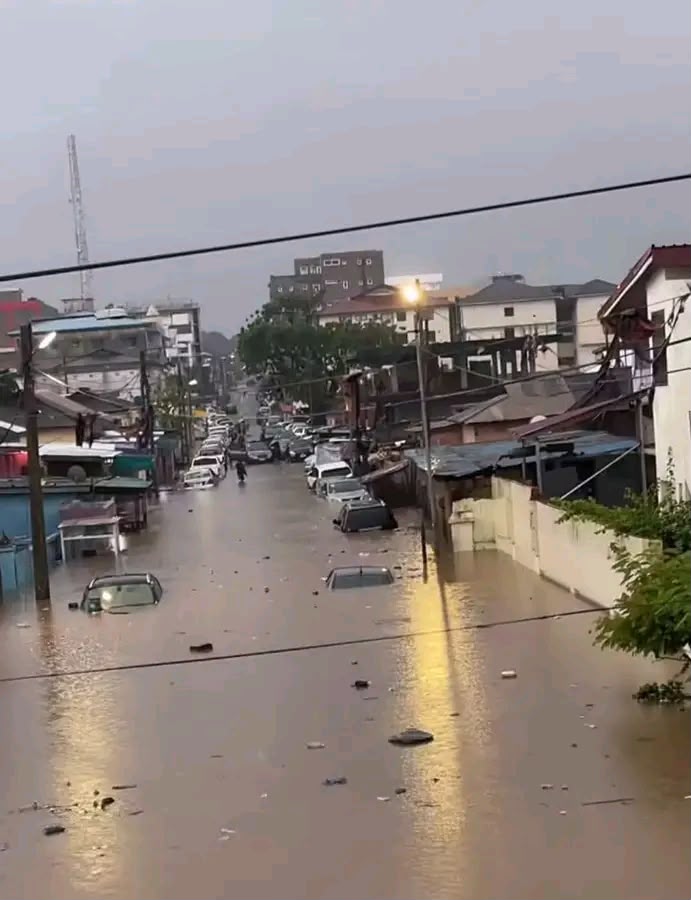
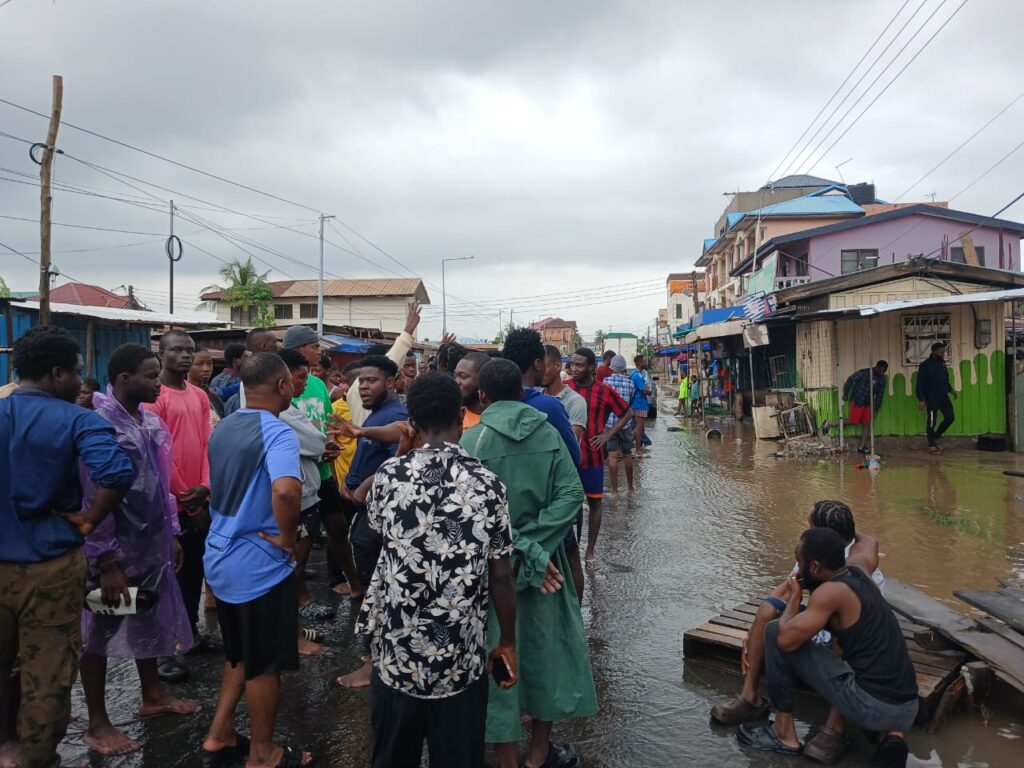
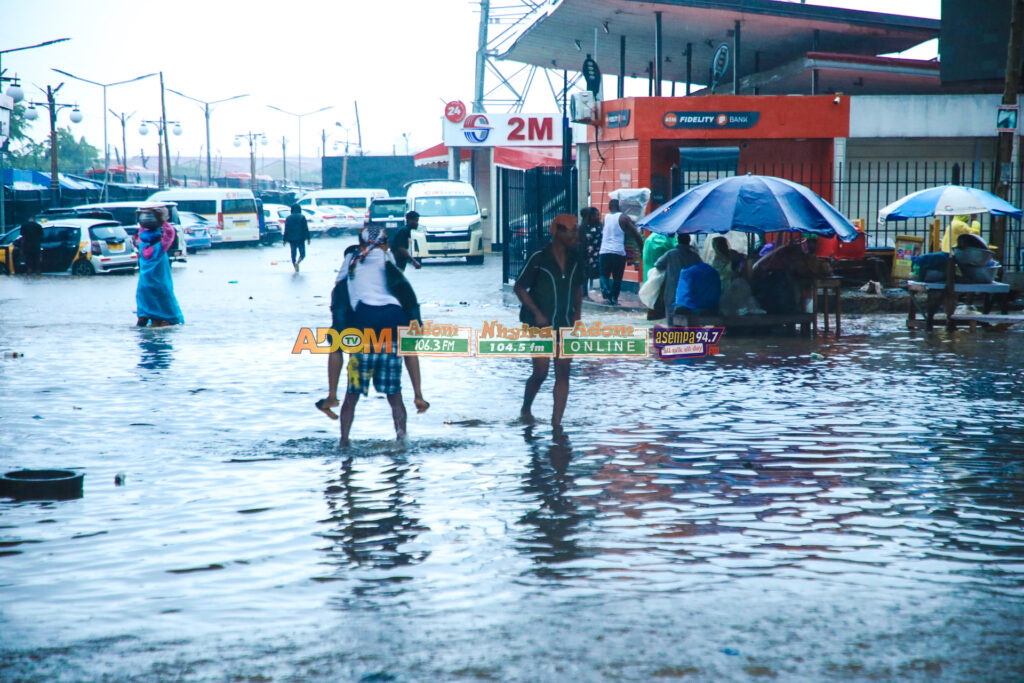
Accra is underwater again. From Adabraka to Kaneshie, Weija to Spintex, and along the N1 highway to the Kwame Nkrumah Interchange, floodwaters triggered by heavy overnight rains have brought the capital to a standstill. Soldiers from the 48 Engineer Regiment have been deployed to Klagon and Dzorwulu to evacuate stranded residents, while a fire broke out amid the downpour at Odawna market. The Interior Minister has urged residents still indoors to remain in place as reports emerge of people trapped in rising waters and at least one person feared electrocuted.
The Meteorological Agency has warned that the rains are not over — more is forecast. But beyond the immediate emergency lies a deeper reckoning that Ghana can no longer afford to postpone. Each flood season delivers what analysts are beginning to call a balance sheet crisis: traders in Kaneshie lose entire years of stock in a single night, wiping out school fees, household savings, and loan collateral in one stroke. For families already living close to the financial edge, a flood is not merely an inconvenience — it is a catastrophic setback from which recovery can take years.
The Numbers Behind the Waterline
The World Bank estimates that assets worth approximately 3.2 billion dollars across Greater Accra already lie in flood-prone zones — a figure projected to quadruple by 2050. The same institution warns that climate-related damage could shave as much as 1.7 per cent off Ghana's annual economic output by mid-century. When a household loses its assets to floodwater, the damage does not stay at the front door: submerged cars and breached homes represent collateral behind active loans, and defaulting borrowers push financial stress from individual families into the broader lending system, ultimately raising the cost of credit for everyone.
Compounding the problem is Ghana's chronic underinsurance. In high-income countries, roughly half of all disaster losses are covered by insurance. In Ghana, fewer than one in twenty losses is insured, meaning the burden of rebuilding falls almost entirely on households and the state. Economists at the Bank for International Settlements describe climate-driven hazards of this nature as "green swans" — extreme, systemic shocks that conventional risk models, built on historical data, are ill-equipped to anticipate or absorb.
Regulation Has Arrived — But the Funding Has Not
In November 2024 the Bank of Ghana issued its Climate-Related Financial Risk Directive, which became binding on banks during this very rainy season. The directive requires lenders to account for climate risk in their lending decisions and report on it quarterly. The timing is striking: the floods and the regulation have arrived together, and the former is already testing the latter. Critics note, however, that the framework means little without the capital to back it. Ghana's national climate adaptation plan carries an estimated price tag of 22 billion dollars by 2030, yet current flows stand at barely 800 million dollars a year — leaving an enormous funding gap.
Practical solutions exist but require coordinated action. Restoring urban wetlands to absorb stormwater, investing in drainage infrastructure capable of handling intense rainfall, and deploying parametric insurance products — which pay out automatically once rainfall crosses a defined threshold — could allow affected traders and households to recover in days rather than months. The Ministry of Finance and the UNDP have begun piloting exactly this kind of climate cover for Greater Accra. Ghana contributes negligibly to global greenhouse gas emissions, yet bears a disproportionate share of the consequences. Closing the climate finance gap, experts argue, is the defining national economic challenge of this decade — one that demands simultaneous action from government, the central bank, commercial lenders, and international development institutions alike.
Source: MyJoyOnline

Comments (0)
Be the first to comment.