Abekuma South MP Backs Unlimited MMDCE Terms, Trusts Voters to Decide Leadership
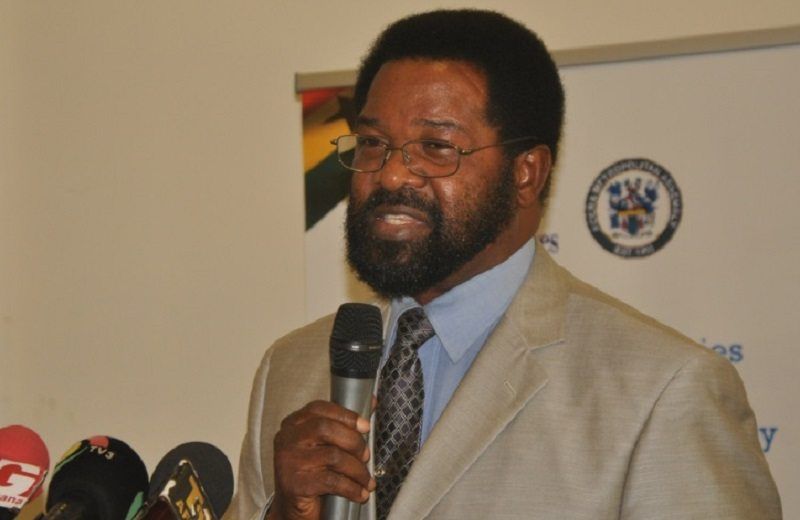
Alfred Okoe Vanderpuije, Member of Parliament for Abekuma South, has joined a growing debate over Ghana's local government structure by publicly opposing term limits for elected Metropolitan, Municipal and District Chief Executives (MMDCEs). His position emphasises democratic accountability through the ballot box rather than constitutional restrictions on re-election eligibility.
The MP's stance reflects a broader tension within Ghana's governance framework as stakeholders weigh the merits of fresh leadership against continuity in local administration. Vanderpuije argues that voters—not legislative caps—should determine whether an MMDCE deserves another term, grounding his opposition in principles of democratic choice and electoral sovereignty.
The Ongoing MMDCE Term Limit Debate
Ghana's decentralisation framework has long grappled with questions about optimal leadership tenure at the metropolitan and district levels. Proponents of term limits contend that such restrictions prevent entrenched power, encourage renewal of ideas, and reduce the risk of personalised governance in local administrations. Critics counter that term limits undermine experienced leadership and override voter preference when a well-performing executive seeks re-election.
The push for term limits reflects concerns about local governance effectiveness and accountability. Some argue that unlimited eligibility can lead to concentration of power at district level, potentially compromising impartial service delivery. Others worry about wastage of institutional knowledge when seasoned administrators are constitutionally barred from continuing their work.
Democratic Accountability vs. Constitutional Constraints
Vanderpulje's argument prioritises electoral mechanisms over legal restrictions. Under this framework, Ghanaians voting in local elections would evaluate each MMDCE's performance and decide independently whether to return them to office. Poor performers would naturally lose re-election, whilst effective leaders could continue their tenure based on demonstrated results.
This approach assumes functional electoral processes where voters have adequate information about candidate records and local government outcomes. It also relies on organised political parties and civil society to hold MMDCEs accountable between elections.
Why This Matters for Ghana
The question of MMDCE term limits directly affects how Ghanaians experience governance at the closest level to their communities. Metropolitan, municipal and district chiefs oversee waste management, local infrastructure, revenue collection, and basic services that shape daily life in towns and villages across the country.
Unlimited eligibility could mean continuity in districts with effective leaders, potentially improving service delivery consistency. Conversely, entrenched MMDCEs with weak accountability mechanisms might resist reform or prioritise political patronage over merit-based administration.
Ghana's recent history shows mixed results in local governance. Some districts have benefited from experienced administrators who deepened institutional capacity, whilst others have struggled with MMDCEs who appeared resistant to change. The outcome largely depends on whether electoral processes genuinely reflect voter preferences and whether local assemblies adequately oversee executive performance.
The debate also reflects broader questions about Ghana's democratic maturity. A system trusting voters to police MMDCE performance through elections assumes functioning local democratic institutions—active civil society engagement, accessible information about council activities, and genuine electoral competition. Where these conditions are weak, term limits might serve as a structural safeguard against power abuse.
As Parliament and stakeholders continue discussing local government reform, the MMDCE term limit question will likely remain contested. Vanderpuyle's intervention underscores that Ghanaians hold differing views on whether democracy is best served by removing leadership options or by strengthening the mechanisms through which voters exercise democratic choice.
Source: 3News




Comments (0)
Be the first to comment.