
Abdul-Samed Sulemana: Ghana mourns death of tallest man after gigantism battle
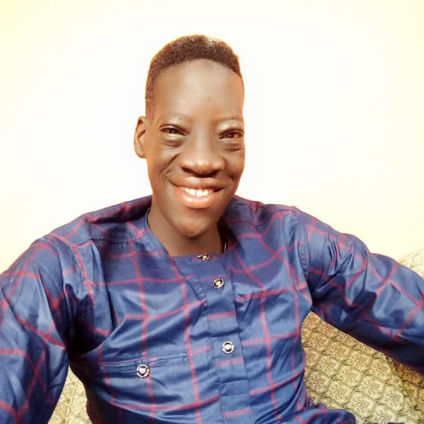

Ghana has lost Abdul-Samed Sulemana, widely known as Awuche, a 33-year-old from Gambaga in the North East Region who was recognised as the country's tallest man. He passed away in the early hours of Monday, 27 July 2026, at Tamale Teaching Hospital whilst receiving treatment for severe complications arising from gigantism, a hormonal condition characterised by excessive growth.
Awuche's death marks a tragic end to a medical struggle that had captured national attention in recent weeks. Doctors at Baptist Medical Centre in Nalerigu had referred him to the specialist facility after his condition deteriorated significantly, with medical staff eventually advising that his left leg be amputated due to a severe infection that caused extensive tissue damage.
A glimmer of hope, extinguished too soon
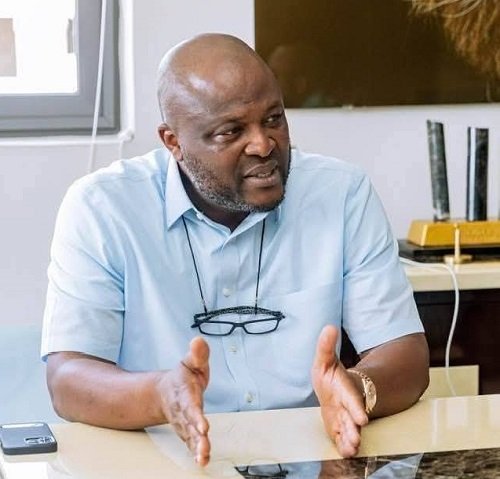
Just weeks before his passing, businessman and philanthropist Ibrahim Mahama had pledged to fully finance Awuche's medical treatment following a public appeal for support. Through his aide Rafik Mahama, the businessman had assured the family that all hospital bills, surgical costs and medical expenses would be covered in full. Arrangements were made to transfer Awuche to Tamale Teaching Hospital on 8 July 2026, where he was admitted and began undergoing necessary medical procedures.
This intervention had offered renewed hope to Awuche and his family after years of financial hardship that had prevented him from accessing specialist care. The outpouring of public sympathy and media coverage had highlighted the broader challenges facing Ghanaians with rare and costly medical conditions, many of whom lack the resources for treatment.
Why it matters for Ghana
Awuche's story and passing raise important questions about healthcare accessibility in Ghana. Standing at approximately 7 feet 8 inches, he had lived with gigantism for years—a condition requiring specialised endocrinological care that is expensive and often beyond the reach of ordinary citizens, particularly those in rural areas like Gambaga.
His case exemplifies how proximity to advanced medical facilities and financial capacity can mean the difference between life and death in Ghana. Whilst his eventual connection to Ibrahim Mahama's support demonstrated the power of public advocacy and philanthropic intervention, it also underscores how dependent vulnerable patients remain on the generosity of private benefactors rather than robust healthcare systems.
The widespread grief expressed on social media following his death reflects how Awuche had become a symbol of both human resilience and systemic healthcare challenges. Many Ghanaians mourned not only his passing but also the fact that despite securing financial support, medical intervention came too late to save his life.
Legacy and reflection
Awuche leaves behind family, friends and a community that rallied behind him during his final weeks. His story will likely remain etched in national memory as a reminder of the healthcare gaps that persist in Ghana, particularly for patients requiring specialised treatment. His passing underscores the critical need for strengthened healthcare infrastructure, improved access to specialist services, and sustainable solutions beyond individual acts of philanthropy.
Source: Today GH




Comments (0)
Be the first to comment.