KNUST students escalate accommodation cost battle with second day of protests

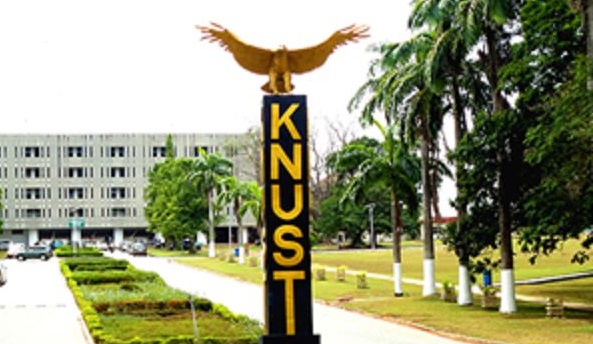
Students at the Kwame Nkrumah University of Science and Technology have intensified their push against mounting accommodation costs, extending their demonstrations into a second day as frustration over residential fees continues to build on campus.
The renewed protests took place during the two-day National Youth Conference in Kumasi, which coincided with commemorations for International Youth Day. Demonstrators from Kantanga Hall and Continental Hall, among other residence facilities, seized the high-profile gathering to amplify their grievances, deploying music, placards and organised chants to draw visibility to their cause.
For many KNUST residents, the cost of on-campus accommodation has become a substantial strain alongside other educational expenses. The protesters argue that residential fees have grown at a pace that outstrips students' financial capacity, particularly for those whose families are already juggling tuition, learning materials, transport and meals. The concentration of these costs—all necessary components of university life—has created what students describe as an unsustainable financial burden.
The broader cost-of-living squeeze in tertiary education
Ghana's tertiary education sector faces persistent affordability challenges that extend well beyond KNUST. Across the country's universities and polytechnics, students and families report escalating pressure from a combination of fees, accommodation, transport and academic materials. The cumulative weight of these expenses has become a perennial source of tension on campuses, occasionally triggering organised action.
Accommodation stands out as particularly contentious because it is often compulsory for first-year students and increasingly difficult to avoid, even for those who could seek alternative lodging off-campus. When universities adjust residential fees, the impact is immediate and inescapable—making it one of the most visible triggers for student grievance.
Why it matters for Ghana
Student welfare and access to tertiary education are intertwined with Ghana's long-term human capital development. When accommodation and living costs become prohibitively expensive, institutions lose students who cannot afford to remain enrolled, or they retain students who are academically and emotionally compromised by financial stress. Either outcome undermines the quality and reach of higher education.
KNUST is one of Ghana's flagship technical and scientific universities; its performance and stability have broader implications for the nation's capacity to produce skilled graduates in critical fields. Sustained student discontent also risks disrupting the academic calendar, which itself has ripple effects across the economy and workforce planning.
Furthermore, these protests reflect a wider question about equity in access to education. If residential accommodation becomes unaffordable, university becomes a privilege of the wealthy rather than an opportunity distributed on merit. This constrains social mobility and limits Ghana's ability to tap talent from all economic backgrounds.
University administrations and government have historically responded to such protests through dialogue, occasional fee reviews, or subsidy adjustments. However, sustainable solutions require long-term policy attention—including transparent fee-setting mechanisms, adequate investment in residential infrastructure, and perhaps targeted financial aid for disadvantaged students. Until these systemic issues are addressed, similar demonstrations are likely to recur.
The KNUST protests also serve as a barometer for student sentiment across Ghana's tertiary institutions, signalling that cost-of-living pressures remain a pressing concern for young people pursuing higher education.
Source: The Ghana Report



Comments (0)
Be the first to comment.