IMANI's Franklin Cudjoe Joins UN-Ghana Strategic Committee as Nation Plans 2027-2030 Development Framework
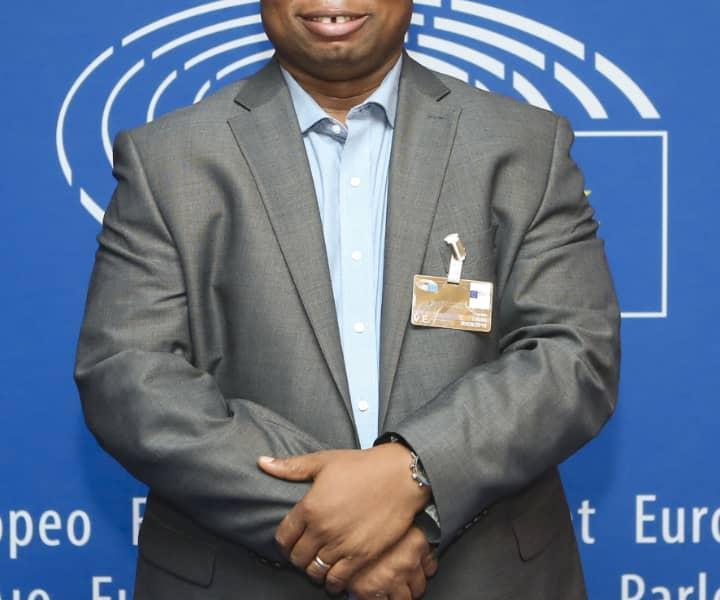
Franklin Cudjoe, Founding President and Chief Executive Officer of the IMANI Centre for Policy and Education, has been appointed to Ghana's Joint National-United Nations Steering Committee, the country's highest strategic oversight body guiding the alignment of UN support with Ghana's development priorities and Sustainable Development Goals (SDGs).
The appointment signals Ghana's intention to strengthen independent civil society participation in shaping the nation's development trajectory as the country prepares its next United Nations Sustainable Development Cooperation Framework, which will run from 2027 to 2030. This five-year framework serves as the primary strategic blueprint through which the entire UN system tailors its programmes and resources to Ghana's specific needs.
What the Committee Does
Co-chaired by Finance Minister Dr. Cassiel Ato Forson and the United Nations Resident Coordinator, the Joint National-UN Steering Committee comprises senior representatives from government ministries and agencies, UN entities, development partners, the private sector, civil society organisations and minority groups. The committee oversees implementation of the Cooperation Framework, reviews progress against targets, identifies emerging opportunities and challenges, and strengthens accountability between Ghana's government and the UN system.
Beyond oversight, the committee reviews annual results, independent evaluations and strategic revisions, mobilises resources for development initiatives, and coordinates efforts among Ghana's institutions and international development partners. It is expected to play a central role in defining strategic priorities for Ghana's development over the coming years.
Ghana's Development Challenges and Opportunities Ahead
Background assessments for the new framework acknowledge Ghana's recent macroeconomic improvements, including stronger economic growth, easing inflation and improved currency performance. However, they highlight persistent structural challenges that will likely feature prominently in the 2027-2030 framework: limited economic diversification, high youth unemployment, governance and accountability concerns, mounting fiscal pressures, vulnerability to climate change and the need for stronger domestic resource mobilisation.
A review of Ghana's current UN Cooperation Framework shows notable progress in food systems transformation, youth employment programmes, healthcare, education, social protection schemes, migration governance, climate-smart agriculture and digital innovation. These successes suggest areas for expansion in the next phase.
Why This Matters for Ghana
Cudjoe's appointment reflects growing recognition that independent public policy institutions and civil society organisations are essential partners in shaping Ghana's development strategy. For over two decades, Cudjoe has established himself as a leading voice on governance, institutional reform, economic policy and democratic accountability. Under his leadership, the IMANI Centre has grown into one of Africa's most respected independent think tanks, consistently ranking among the continent's most influential policy institutions.
His international credibility—including recognition as a World Economic Forum Young Global Leader in 2010 and listing among The Africa Report's Top 50 Africans—brings global perspective and networks to Ghana's development planning. This appointment suggests that as Ghana grapples with complex challenges including youth unemployment, economic diversification and climate vulnerability, policymakers are deliberately bringing in independent expertise and voices outside government.
The 2027-2030 Cooperation Framework development will involve extensive national and regional consultations, inter-agency collaboration within the UN system, strategic planning sessions and resource mobilisation efforts before implementation begins in 2027. Cudjoe's presence on the steering committee ensures that civil society perspectives and evidence-based policy analysis help shape these deliberations, potentially strengthening the framework's grounding in local realities and research.
Source: Ameyaw Debrah



Comments (0)
Be the first to comment.