
Ghanaian twins admit guilt in US$9m romance scam targeting vulnerable Americans
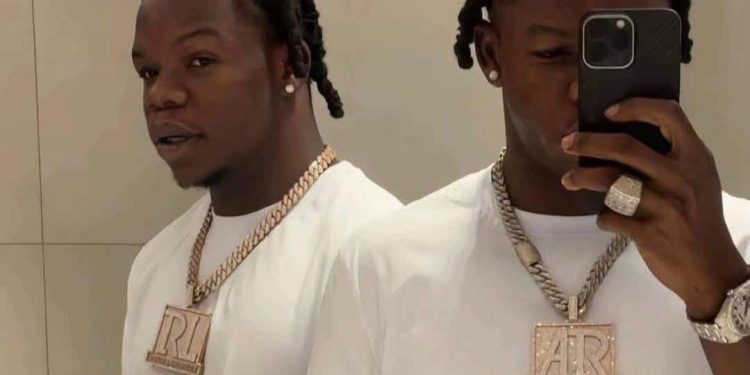

Two Ghanaian twin brothers have admitted their roles in a sophisticated international romance scam that swindled more than US$9 million from victims across multiple countries, highlighting the growing threat of cybercrime networks operating from West Africa.
Jamal Abubakari and Kamal Abubakari, both 22 years old, entered guilty pleas on October 13, 2026, to conspiracy to commit wire fraud in the United States federal court system. They operated under the aliases Arrangement and Lancaster respectively, working alongside American co-conspirator Amanda Joy Opoku-Boachie, 53, who pleaded guilty to the same charges on October 20.
How the scam operated
The criminal network targeted older Americans through dating websites and social media platforms between July 2024 and April 2026. The scheme's sophistication lay in its multi-layered deception: the perpetrators created convincing false identities and built emotional connections with victims, often posing as romantic interests or prospective partners.
Once trust was established, they fabricated urgent financial needs—medical emergencies, business crises, travel complications—to manipulate victims into transferring money. The funds were directed into accounts controlled by network members, with substantial portions then funnelled to accomplices based in Ghana and other locations.
The scale of the operation was staggering. Victims were identified across 25 different US states, as well as in Germany and Austria. Residents of Edgerton in Williams County, northern Ohio, were among those targeted. The total losses exceeded US$9 million, representing devastation for individuals, many of them elderly and isolated.
Why it matters for Ghana
This case underscores the critical reputational challenge Ghana faces as a nation increasingly associated with international cybercrime and romance fraud networks. While the twins and their accomplices are individuals responsible for their own criminal choices, such high-profile prosecutions risk reinforcing negative stereotypes about Ghana in Western countries, potentially affecting business relationships, tourism, and the country's international standing.
The involvement of multiple Ghanaian agencies—including the Economic and Organised Crime Office (EOCO), the Cyber Security Authority, the Financial Intelligence Centre, and others—demonstrates that Ghanaian authorities are taking the problem seriously and cooperating with international partners. However, the fact that such networks can operate from Ghanaian soil suggests that enforcement capacity and preventive measures may need strengthening.
For ordinary Ghanaians, particularly young people, this case is a sobering reminder of how involvement in international fraud schemes carries severe consequences, including lengthy prison sentences in foreign jurisdictions and permanent criminal records that destroy future opportunities.
Legal consequences and international cooperation
Each of the three defendants faces a maximum prison sentence of 20 years, with final sentencing to be determined by a federal district court judge. Beyond imprisonment, they have agreed to forfeit luxury items seized during arrests, including high-end watches, jewellery, chains, and medallions—assets typically purchased with stolen funds.
The investigation, led by the Federal Bureau of Investigation's Cleveland Division, required substantial coordination between US and Ghanaian law enforcement. The involvement of Ghana's Attorney-General's Office, Ghana Police Service, National Intelligence Bureau, and other agencies indicates serious commitment to tackling transnational crime. Such cooperation is essential but also resource-intensive, placing demands on Ghana's already stretched security apparatus.
This case serves as a cautionary tale about the real human cost of romance fraud and the increasingly borderless nature of modern cybercrime.
Source: MyJoyOnline




Comments (0)
Be the first to comment.