Ghana's trade surplus soars to GHS148.3bn as gold boom masks structural vulnerabilities
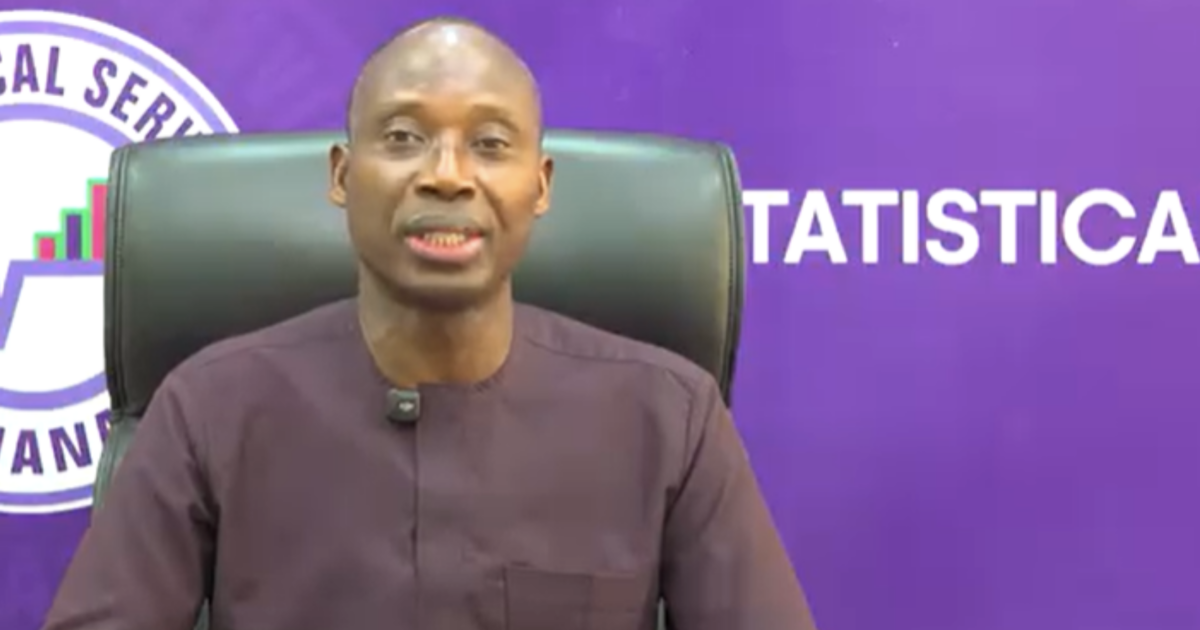
Ghana's international trade performance surged dramatically in 2025, with the trade surplus expanding to GHS148.3 billion—more than triple the previous year's performance. The robust gains, reported by the Ghana Statistical Service, reflect strong commodity exports and expanded global trading partnerships, but statisticians have sounded caution about the underlying sustainability of these figures.
According to the 2025 Annual International Merchandise Trade Statistics Report, total trade volumes increased by 20.1 per cent to GHS654.7 billion, with exports reaching GHS401.5 billion against imports of GHS253.2 billion. In dollar terms, Ghana exported US$32.0 billion worth of goods whilst importing US$20.5 billion, cementing the country's position as a net exporter on the African continent.
Gold dominates, but at what cost?
The export surge was overwhelmingly driven by three commodities: gold, cocoa, and petroleum products, which together accounted for 85.9 per cent of total exports. Gold alone generated GHS253.3 billion, representing 63.1 per cent of all export earnings—a position that underscores Ghana's heavy reliance on the precious metal's global price movements. Cocoa beans and cocoa products contributed GHS92.0 billion, whilst mineral fuels and oils added GHS56.2 billion.
The Ministry of Trade and key officials have acknowledged this concentration as a structural concern. Dr Alhassan Iddrisu, Government Statistician, explicitly urged the administration to diversify Ghana's export base, warning that the current dependency on three commodities leaves the economy vulnerable to global price shocks. He called for greater investment in local manufacturing, value addition, and agro-processing to shift away from raw commodity exports.
Notably, when adjusted for inflation and global price effects, Ghana recorded a real trade deficit of GHS3.4 billion—a striking reversal that suggests much of the headline surplus reflects higher global commodity prices rather than genuine growth in trade volumes or productivity.
Shifting trade patterns and regional dynamics
Ghana's trading footprint expanded geographically in 2025, importing from 216 countries (up from 211) and exporting to 163 destinations (up from 155). Asia emerged as Ghana's largest trading region, with the share of exports increasing by 11.8 percentage points, driven by demand from the United Arab Emirates, India and China. Meanwhile, Europe's share declined, with exports falling by 6.7 percentage points.
Within Africa, Ghana recorded a trade surplus of GHS34.7 billion, signalling the country's competitive advantage in regional markets. South Africa remained the leading African export destination, whilst Nigeria dominated as the largest source of African imports, primarily petroleum products worth billions of cedis. Notably, Ghana exported significantly more to immediate neighbours Burkina Faso and Togo than it imported from them, with Burkina Faso alone purchasing GHS11.8 billion in Ghanaian goods.
Why it matters for Ghana
The 2025 trade data presents a paradox for policymakers. Headline figures suggest economic strength, yet underlying fundamentals reveal fragility. The reliance on three commodities—particularly gold—means Ghana's economic fortunes remain tethered to global commodity cycles beyond the country's direct control. When gold prices fall, as they have periodically in recent years, export revenues and government revenues collapse alongside them.
The call for economic diversification is not new; successive governments have prioritised it. However, progress has been incremental. The data shows food exports are rising, driven by cocoa products, cashew nuts, tuna and shea products, suggesting some progress in value addition. Nevertheless, manufactured goods remain a minor component of total exports, reflecting persistent weaknesses in Ghana's industrial base.
For businesses and entrepreneurs, the message is clear: Ghana's trade surplus provides a window of opportunity to invest in manufacturing and agro-processing sectors that can capture more value locally. The AfCFTA framework offers expanded regional markets, particularly given Ghana's trade surplus with Africa. Dr Iddrisu encouraged companies to explore opportunities in logistics and regional supply chains, leveraging Ghana's position as a trading hub.
Sustaining these gains, officials argue, requires deliberate investment in productive sectors, industrial competitiveness and robust statistical systems to guide policy decisions. The 2025 performance, whilst encouraging on the surface, underscores the urgency of structural economic reform.
Source: MyJoyOnline



Comments (0)
Be the first to comment.