Ghana's Missing Defamation Law Is Being Used as a Weapon Against Journalists, Experts Warn
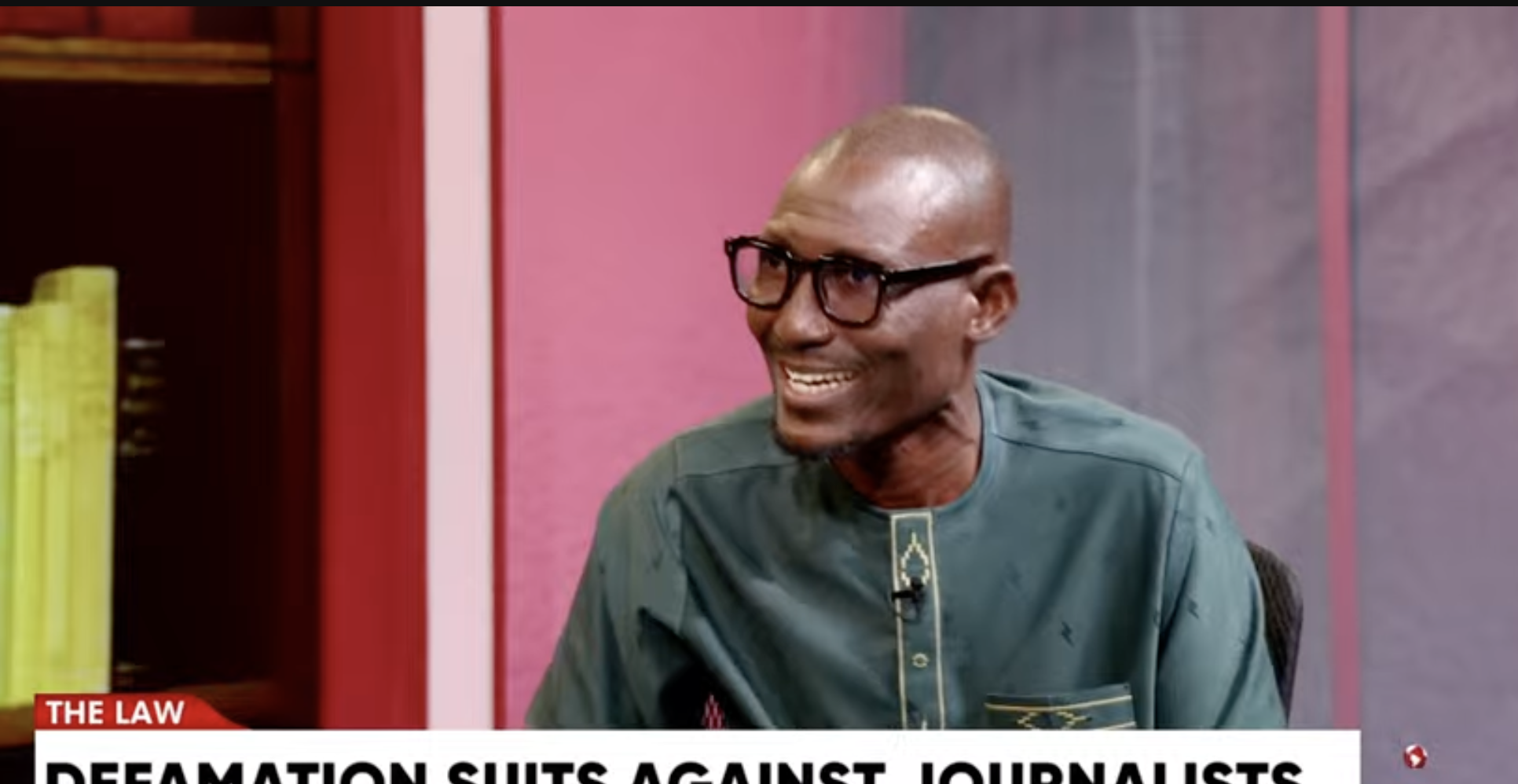
A lawyer and lecturer at the University of Media, Arts and Communication (UniMAC), Zakaria Tanko Musah, has raised the alarm over Ghana's failure to enact a dedicated defamation law, warning that the gap is being exploited to silence journalists through costly and often frivolous court actions.
Speaking on JoyNews, Mr Musah explained that Ghana's defamation framework relies entirely on common law — meaning there is no standalone legislation that clearly defines the offence or sets out the boundaries of liability. "We don't have a law that defines what defamation is. It's a common law thing where judges have defined it," he said. Under this framework, defamation is broadly understood as making a false statement about someone that causes them to be viewed negatively by a reasonable member of society.
Mr Musah warned that this legal uncertainty has opened the door for what are known as Strategic Lawsuits Against Public Participation, or SLAPPs — suits filed not to obtain justice, but to burden journalists with prolonged and expensive legal battles. "Sometimes it's strategic — people just want to intimidate you, they want to silence you, and they know the journalists really don't have the capacity to fight them," he said.
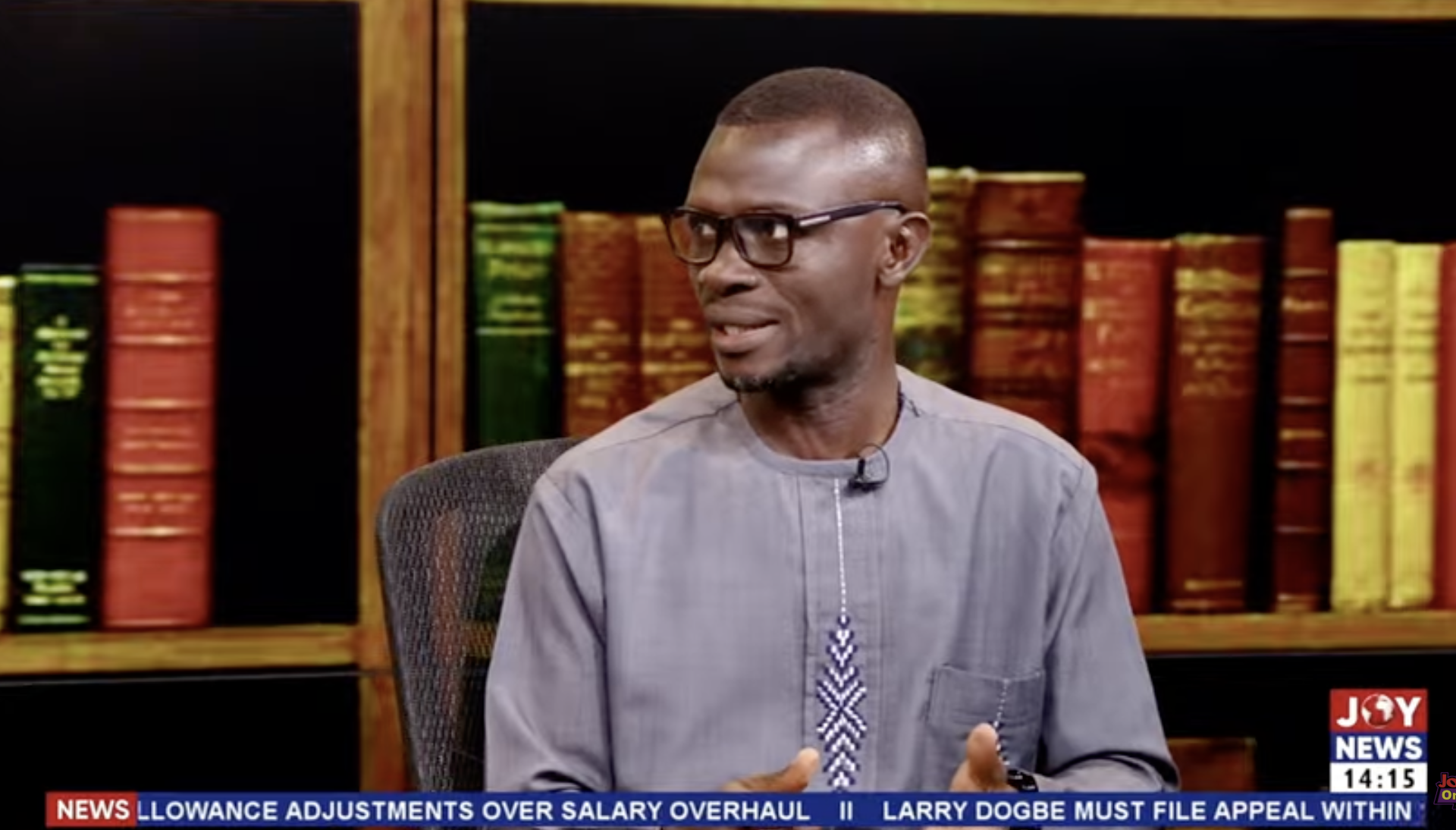
The General Secretary of the Ghana Journalists Association (GJA), Dominic Hlordze, echoed those concerns, noting that the financial imbalance between journalists and wealthy or influential litigants makes the courtroom an uneven battleground. He urged aggrieved parties to instead exercise their right of rejoinder — submitting a formal response for publication — before turning to litigation. "If you publish a statement about anybody or an institution, they have a right to bring a rejoinder to you, and you have an obligation to publish that rejoinder," he stated.
Mr Hlordze pointed to a past case in which a former Attorney General chose to submit a rejoinder to the Graphic newspaper rather than pursue legal action, describing this as a more measured and constructive approach to resolving disputes with the media.
He also urged journalists to strictly follow the GJA Code of Ethics, noting that the Association's own research found that nearly 40 per cent of the code's provisions overlap with existing laws. Journalists who abide by the code, he argued, are far less likely to find themselves facing legal action. "All they need to do is to adhere to the GJA Code of Ethics and I'm telling you they would never ever get into that problem," he said.
Source: MyJoyOnline
Comments (0)
Be the first to comment.