Ghana's Gen Z Takeover Expands to Lagos: What This Means for West African Youth Culture
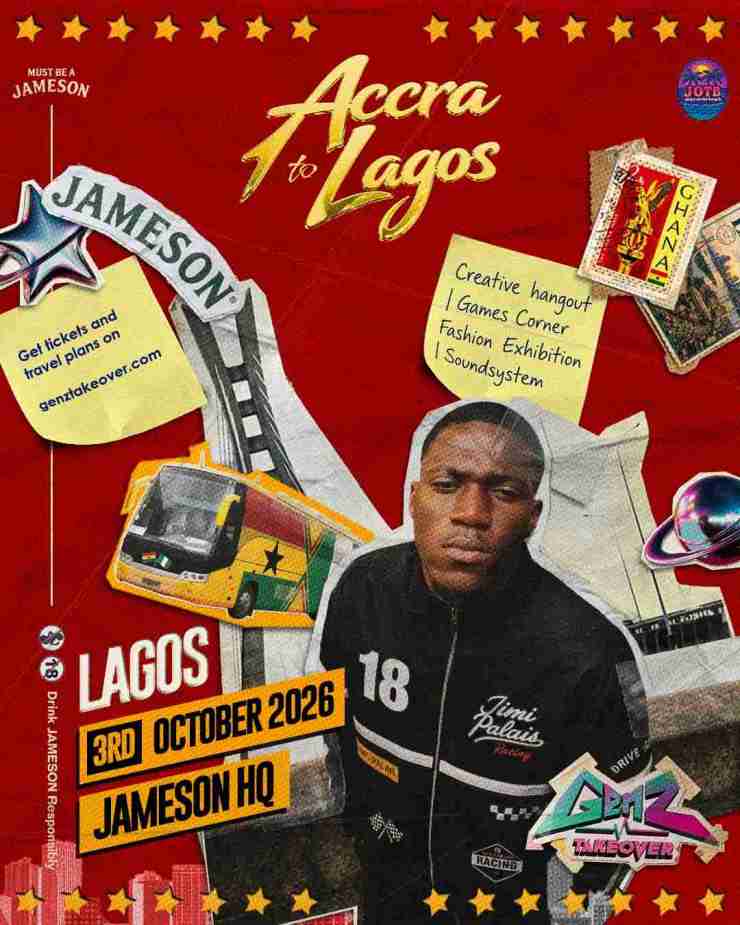
Ghana's influential youth cultural movement, Gen Z Takeover, is taking a significant step across borders this October when it brings its Accra to Lagos concept to Nigeria for the first time. The expansion marks a pivotal moment for a platform that has grown from university-focused events in Ghana to a pan-West African cultural phenomenon celebrating Afrobeats and creative exchange between two of the region's music powerhouses.
Spearheaded by Ghanaian nightlife entrepreneur Michael Nichols, known in circles as the "Gen Z Godfather", Gen Z Takeover began in 2023 as an intimate university experience. Starting at institutions such as the University of Ghana and KNUST, the movement provided a dedicated space for young people to experience live music and culture tailored to their generation's tastes and values. Early editions featured performances from rising Ghanaian talents including Gonaboy, Alor G and Kelalie, alongside established names like Kweku Smoke and comedian Michael Blackson, establishing the platform's credibility within Ghana's entertainment ecosystem.
From Campuses to Continental Stage
The movement's evolution reflects growing recognition of Gen Z's economic and cultural influence. What began as university campus events transformed into larger-scale experiences when Gen Z Takeover introduced its flagship "Accra to Lagos" concept, a deliberately designed bridge between Ghana and Nigeria's intertwined music scenes. The first two editions, held at ENZO in Accra during 2026, each attracted over 2,000 attendees, demonstrating substantial appetite for cross-cultural youth experiences in West Africa.
Beyond headline performances, these events have become incubators for young creatives. Photographers, videographers and content creators have become integral to the experience, generating organic social media amplification that extends the movement's reach far beyond physical venue walls. This approach acknowledges how Gen Z consumes and creates culture—through digital platforms, peer networks and participatory engagement rather than passive consumption.
Why This Matters for Ghana
The Lagos expansion represents more than entertainment export; it positions Ghana as a cultural influencer within West Africa's youth sphere. As Afrobeats continues gaining global prominence, movements like Gen Z Takeover help shape the narrative around which artists, platforms and creative spaces define the sound and aesthetics of the region.
For Ghana's creative economy, the expansion creates opportunities for local content creators, videographers and emerging artists to gain exposure beyond domestic audiences. It also demonstrates that Ghanaian entrepreneurs and cultural leaders can build scalable platforms that attract continental attention—a model other local ventures may emulate. The movement's success validates investment in youth-focused cultural experiences during a period when many African nations are recognising young people's purchasing power and cultural trendsetting capacity.
The October 2026 Lagos edition, strategically timed around Nigeria's Independence weekend, reflects smart event planning that aligns with existing cultural moments. This signals Gen Z Takeover's maturation as a professionally-operated platform rather than a grassroots experiment.
What Comes Next
The Accra to Lagos journey raises questions about whether other West African capitals might follow. The model's success in Ghana and anticipated reception in Nigeria could establish a template for youth cultural movements across ECOWAS member states. As Gen Z asserts greater influence over entertainment consumption and creation across Africa, platforms connecting young people across borders may become increasingly central to how the continent's culture evolves.
More details about the Lagos edition are available at GenZTakeover.com.
Source: Ameyaw Debrah

Comments (0)
Be the first to comment.