Dialysis Machines Reach Northern Ghana, But Hospitals Warn of Staffing Crisis
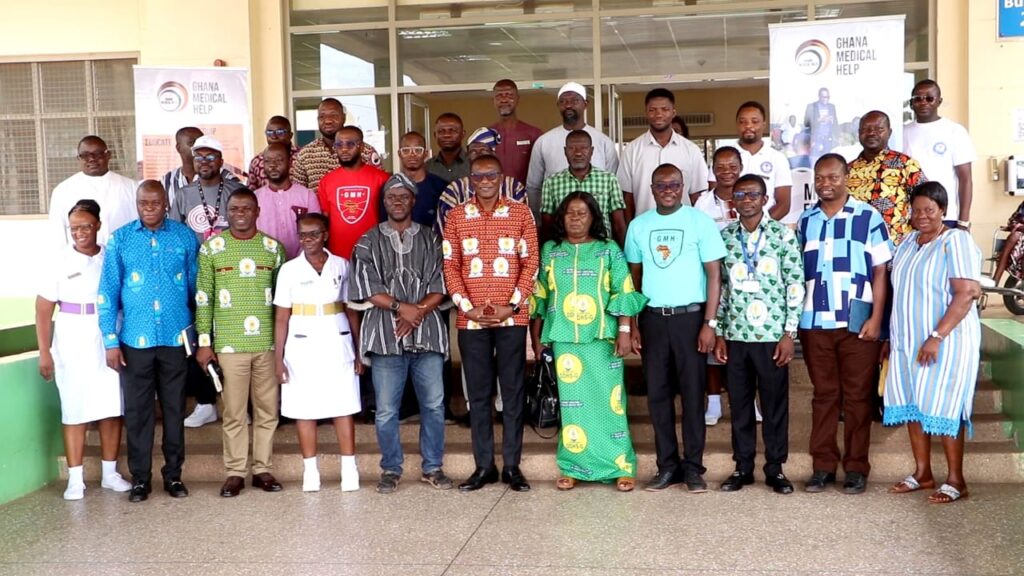
Kidney patients in the Nandom enclave of the Upper West Region have for years endured one of the most punishing healthcare routines in Ghana — rising as early as 1:00 AM to board a Metro Mass transit bus bound for Wa, just to receive a single three-hour dialysis session before making the long return journey home. That ordeal is now set to end, following a landmark medical donation from the Canadian-Ghanaian charity Ghana Medical Help (GMH).
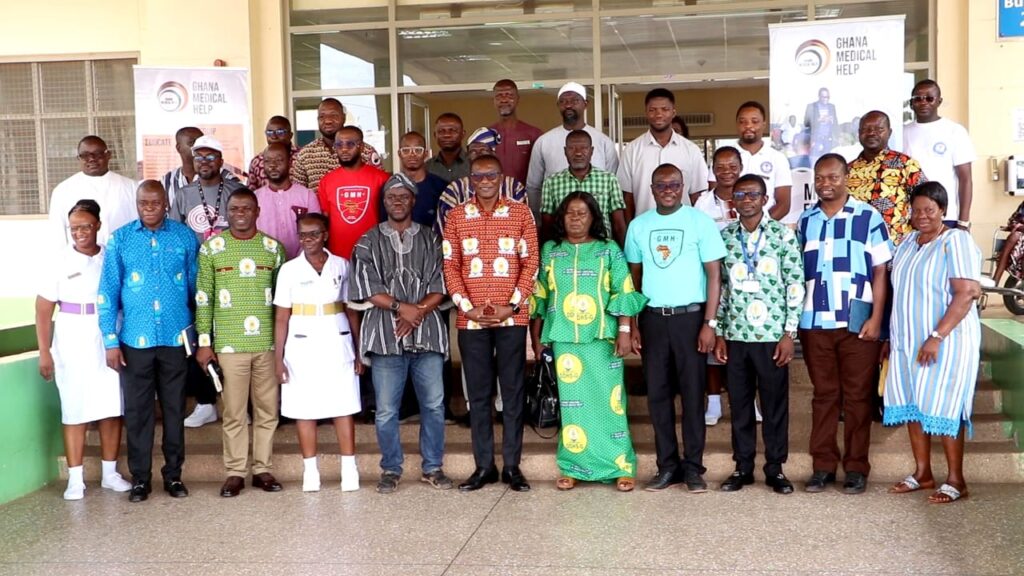
GMH has officially handed over 17 Fresenius 5008 dialysis machines, along with specialised endoscopy, colonoscopy, and bronchoscopy imaging systems, to hospitals across the Upper West and Upper East Regions. The Upper West Regional Hospital in Wa received seven of the dialysis units, while St. Theresa's Catholic Hospital in Nandom received three. The intervention is being hailed as the most significant boost to specialist healthcare in the region in recent memory.
Acting Medical Superintendent of St. Theresa's Catholic Hospital, Dr. Mark Padmore Awudi, disclosed that 40 percent of all dialysis patients attending the Regional Hospital in Wa come from the Nandom enclave alone. He stressed that the new facility would cut waiting times dramatically and prevent patients — including children — from progressing to permanent chronic kidney disease due to delayed treatment. A special assistant to the Paramount Chief of Nandom Traditional Area also noted that the centre would extend cross-border relief to patients travelling from southern Burkina Faso.
Staffing Shortage Threatens to Leave Machines Idle
Despite the celebrations, hospital administrators are raising urgent concerns. Acting Medical Director of the Upper West Regional Hospital, Dr. Philip K.K. Baabiineh, warned that the existing dialysis unit already runs around the clock, pushing staff to the brink of burnout. He cautioned that having as many as 20 machines but only two biomedical engineers would make proper servicing and maintenance virtually impossible. Dr. Baabiineh made a direct appeal to clinicians, specialised nurses, and biomedical engineers across Ghana to accept postings to the north, pushing back against the perception that northern postings represent hardship.
Upper West Regional Director of Health Service, Dr. Josephat Nyuzaghl, added weight to the concern by highlighting the scale of Ghana's kidney disease burden. He cited estimates suggesting that 10 in every 100 Ghanaians will develop some form of kidney disease in their lifetime, with acute kidney failure affecting nearly 21 percent of individuals. He recalled a time before the National Health Insurance Scheme covered dialysis, when patients were forced to sell all their possessions to afford treatment. Dr. Nyuzaghl urged beneficiary hospitals to immediately operationalise the new centres and commit to maintaining the equipment diligently.
GMH Country Director and Co-Founder Dr. Dominic Akaateba stressed that long-term sustainability must come from within Ghana itself, warning of growing donor fatigue globally. He said GMH deliberately directed the donation to where need was greatest, rather than using it to establish a private facility. Health authorities and community leaders now face the task of converting this generosity into lasting, functional healthcare — starting with attracting the skilled workers the machines desperately need.
Source: MyJoyOnline

Comments (0)
Be the first to comment.