Burkina Faso Stuns Tanzania in Historic WAFCON Debut Win; Ghana Eyes Region's Competition

Burkina Faso has written a new chapter in their women's football history by securing their first-ever Women's Africa Cup of Nations (WAFCON) victory, defeating Tanzania in a significant result that underscores the growing competitiveness of West African women's football on the continental stage.
The triumph marks a watershed moment for the Burkinabé women's team, who have worked to establish themselves among Africa's elite women's football nations. This breakthrough victory signals that established powerhouses in the region cannot take matches for granted, even against teams making their way through major tournaments.
A Shifting Landscape in West African Women's Football
The result demonstrates how West African women's football continues to evolve and deepen. Historically, nations like Ghana, Nigeria, and Cameroon have dominated continental competitions, but recent tournaments have shown that other teams in the region are rapidly closing the gap in terms of organisation, coaching quality, and player development.
Burkina Faso's success reflects increased investment in women's football across the Sahel region, with more structured domestic leagues and improved training facilities enabling these nations to compete at higher levels. The victory also highlights how participation in major tournaments like WAFCON serves as a crucial platform for teams to gain experience and build confidence on the continental stage.
Implications for Ghana and Regional Competition
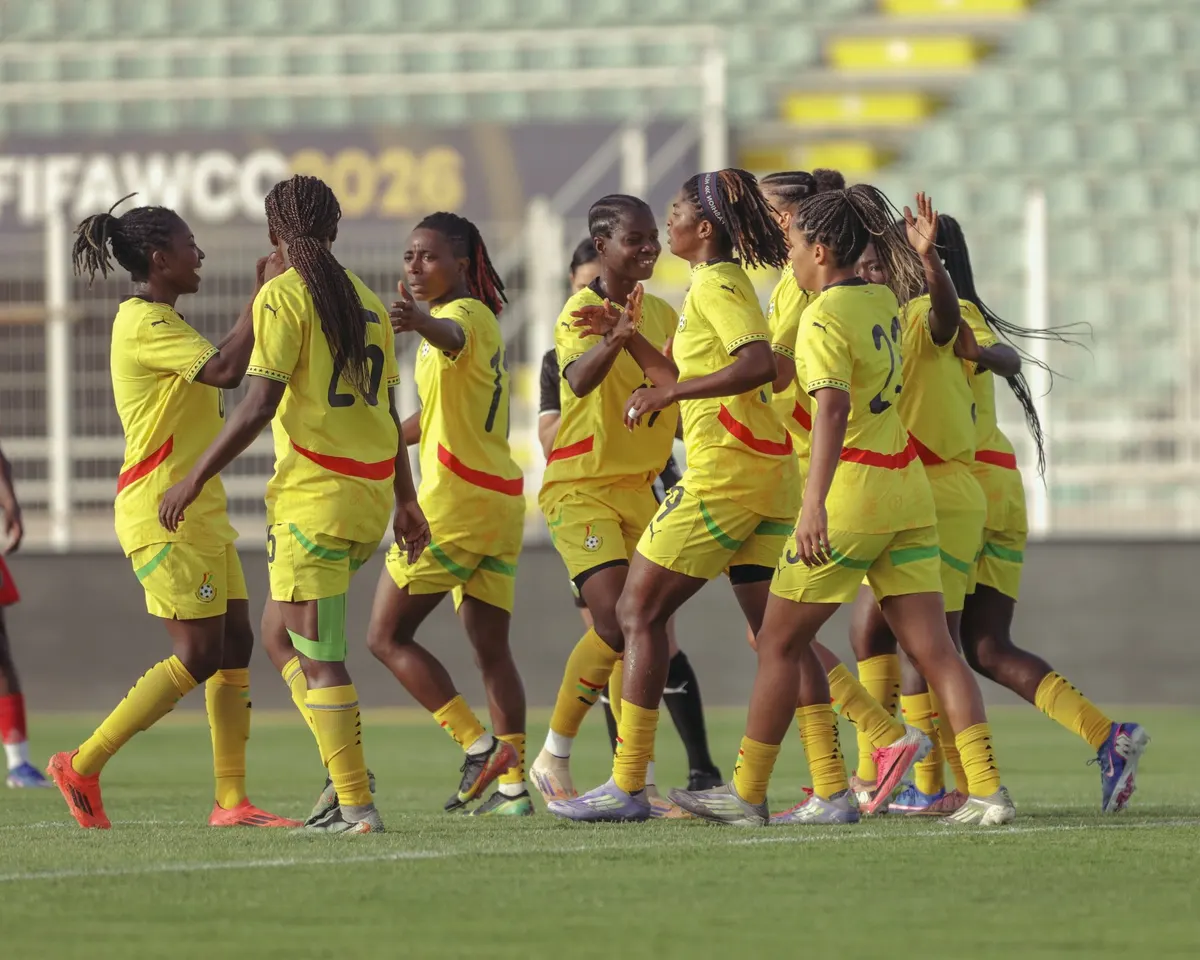
For Ghana's Babaroja, this result carries tactical and psychological significance. The Black Queens have historically been among Africa's strongest women's football performers, but a stronger, more competitive field means Ghana must maintain rigorous preparation standards and tactical innovation to secure continental titles and qualify for global competitions like the FIFA Women's World Cup.
Burkina Faso's achievement also suggests that smaller West African football federations are narrowing the traditional gap between elite and emerging teams. This trend benefits African women's football overall by creating more balanced and unpredictable tournaments, which in turn attract greater media attention and sponsorship investment to the women's game across the continent.
Ghana's coaching and player development infrastructure will need to remain sharp to compete effectively in this increasingly competitive environment. The Babaroja's success in WAFCON and at the African Women's Cup of Nations has long depended on maintaining technical superiority and tactical discipline—qualities that become more precious as other nations develop stronger domestic football ecosystems.
What This Means for African Women's Football
Burkina Faso's first WAFCON win represents a broader narrative of football development across the African continent. Women's football in Africa continues to gain momentum, with more nations investing in player welfare, coaching education, and competitive opportunities. Every breakthrough by an emerging nation signals that the continent's pool of competitive teams is deepening.
The milestone also comes at a time when African football federations are increasingly recognising the commercial and social value of women's football. Better infrastructure, sponsorships, and media coverage enable rising teams to develop their playing quality and tactical intelligence.
As WAFCON progresses, Ghana and other established powers will face stiffer challenges, but this competitive elevation ultimately strengthens African women's football's reputation internationally and creates a more vibrant tournament spectacle for fans across the continent.
Source: 3News
.jpg)

Comments (0)
Be the first to comment.