Asantehene Demands Action on Stalled Boankra Port as Ghana Faces Growing Trade Logistics Crisis
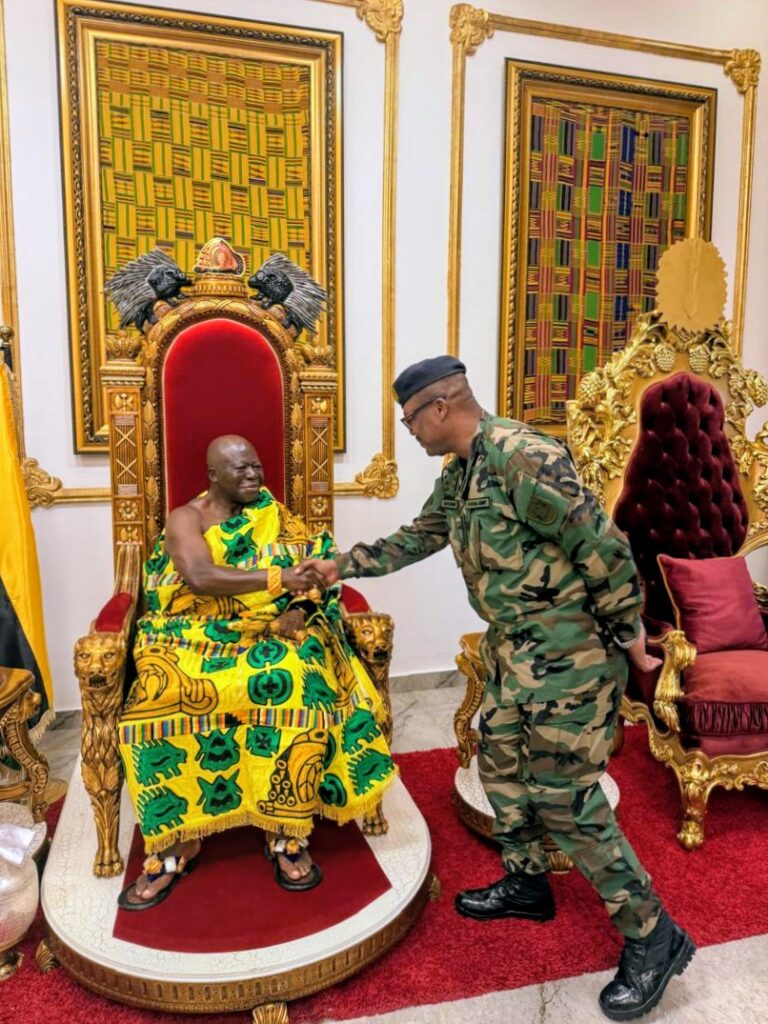
The Asantehene, Otumfuo Osei Tutu II, has intensified pressure on government and port authorities to unlock funding for the long-stalled Boankra Integrated Inland Port project, stressing that further inaction risks squandering substantial public investment. During a meeting with Ghana Shippers' Authority leadership at Manhyia Palace, the paramount ruler outlined a concrete pathway to break the funding deadlock and position Ghana's logistics sector for growth.
The project, located in Ashanti Region, has languished in incomplete status despite its critical importance to Ghana's trade infrastructure. The Asantehene's renewed push signals mounting concern among business and traditional leaders that the delay is hampering the nation's competitiveness in regional commerce.
What the Boankra Port Promises Ghana
Once operational, the inland port is designed to function as a central logistics hub for cargo movement, particularly for transit trade crossing West Africa. According to Prof. Ransford Gyampo, Chief Executive Officer of the Ghana Shippers' Authority, completion would significantly ease pressure on Ghana's congested road network by shifting heavy cargo to waterborne transport along the Volta River system.
The facility is expected to generate substantial employment across warehousing, logistics management, transportation and allied services. For traders and importers, it would reduce transportation costs and delivery times, making Ghanaian ports more competitive regionally. Businesses along the supply chain—from small vendors to large freight operators—stand to benefit from improved efficiency.
The Funding Stalemate and Otumfuo's Proposed Solution
The core challenge has been securing capital to complete construction. The Asantehene called specifically on the Ghana Ports and Harbours Authority to revisit earlier commitments to fund the project, proposing an innovative approach: converting GPHA financial support into equity shares in the port venture. This arrangement would align incentives, allowing GPHA to benefit from future revenues whilst immediately unlocking construction capital.
Otumfuo pledged to personally engage government officials to secure necessary approvals and directives for fund release, leveraging his influence as Asantehene to accelerate bureaucratic processes. He also cautioned that allowing the project to remain incomplete after already substantial investment would constitute wasteful loss to the state—a warning aimed at galvanising political will in government.
Why This Matters for Ghana's Trade Future
Ghana's ports—primarily Tema and Takoradi—are increasingly strained by container volume and road congestion. The Boankra Inland Port represents a strategic opportunity to decentralise cargo handling, reduce logistics bottlenecks and position Ashanti Region as a trade and distribution hub serving landlocked countries in the Sahel. For the broader West African region, improved Ghana trade infrastructure strengthens ECOWAS commerce and competitiveness.
The project also aligns with Ghana's long-term development goals of industrial decentralisation and regional economic integration. Private sector players have watched Boankra's progress keenly; completion would signal government commitment to infrastructure investment and create new commercial opportunities.
The meeting between the GSA Governing Board and Otumfuo represents more than courtesy—it reflects consensus among business leaders and traditional authorities that the port's delay has become untenable. With the Asantehene now actively advocating for resolution and proposing concrete financing mechanisms, momentum for project completion appears to be building.
Source: MyJoyOnline




Comments (0)
Be the first to comment.