
Asante Kotoko's Bold Stadium Vision: What a New Home Ground Means for Ghana's Premier Club
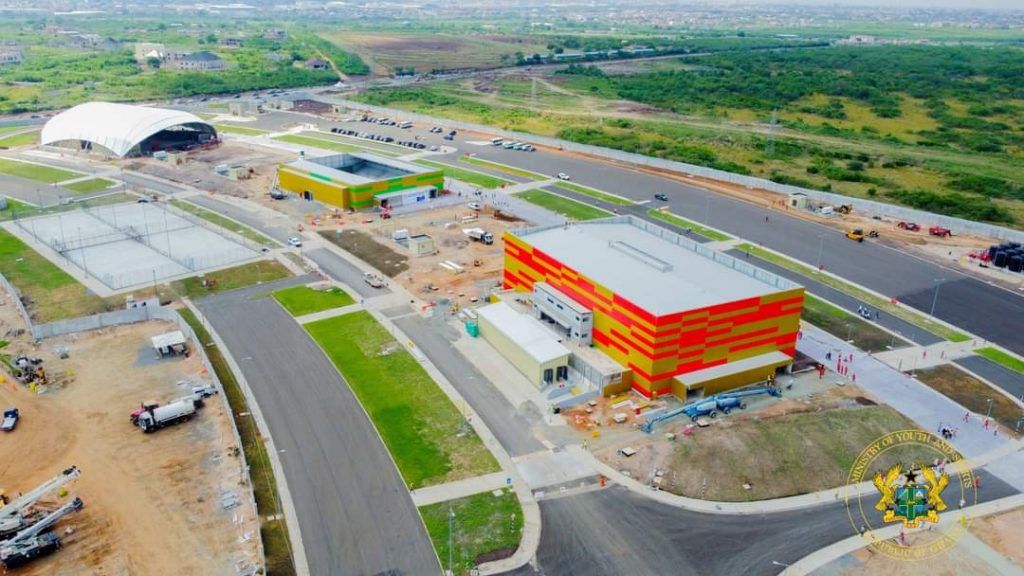

Asante Kotoko, one of Ghana's most storied football clubs, has unveiled plans to construct a brand-new multipurpose stadium, marking a significant milestone in the Kumasi-based side's strategic vision for growth and independence. The proposed facility is positioned as a cornerstone of the club's long-term development strategy, signalling management's commitment to elevating the institution beyond its current infrastructure constraints.
The move comes at a time when Ghana's top-tier clubs continue to grapple with stadium availability and capacity issues. Many Premier League sides share municipal facilities or play at grounds owned by local government authorities, limiting their autonomy and revenue generation potential. By developing its own stadium, Asante Kotoko aims to address these structural challenges whilst establishing a world-class training and match-day environment.
The Significance of Stadium Ownership in Modern Football
Owning a dedicated stadium offers substantial competitive and commercial advantages. Beyond hosting home matches with full operational control, a multipurpose facility can generate consistent revenue through commercial events, conferences, concerts and other activities. This financial independence becomes particularly valuable as clubs seek to invest in player development, coaching staff and infrastructure improvements.
For Asante Kotoko specifically, the move reinforces the club's position as one of Africa's premier institutions. The Porcupines have won numerous league titles and continental accolades, yet infrastructure limitations have sometimes hindered their ability to compete at elite continental levels. A modern stadium would address these gaps whilst providing fans with improved matchday facilities and safety standards—factors increasingly scrutinised by African football governing bodies.
What This Means for Ghana Football
Asante Kotoko's stadium ambition reflects a broader trend of professionalisation across Ghana's football sector. When major clubs invest in facilities, it typically elevates standards across the entire ecosystem. Better stadiums attract higher-quality international fixtures, boost local sponsorship opportunities, and create employment within the sports sector. The project may also inspire other Premier League clubs to pursue similar infrastructure upgrades, gradually modernising the domestic game.
From a fan perspective, improved stadium infrastructure enhances the supporter experience—better seating, sanitation, safety measures and entertainment facilities make matchdays more appealing and accessible to families. This can help drive attendance figures and cultivate a more vibrant football culture in Kumasi.
Challenges and Next Steps
While the announcement is encouraging, significant hurdles remain. Stadium construction requires substantial capital investment, land acquisition, regulatory approvals, and project management expertise. The club will need to secure financing through ownership, commercial partnerships, or institutional support. Timeline and budget details remain to be clarified as the project moves from announcement to concrete planning phases.
Asante Kotoko's stadium initiative signals confidence in the club's future and commitment to matching international standards. For Ghana's football landscape, such infrastructure development strengthens the nation's sporting reputation and provides the domestic game with the modern facilities it increasingly demands.
Source: 3News





Comments (0)
Be the first to comment.